
Reviewed · TEIDE NATIONAL PARK TOURS
Polestar SELF-DRIVE Sunset Stars Tour in Teide National Park
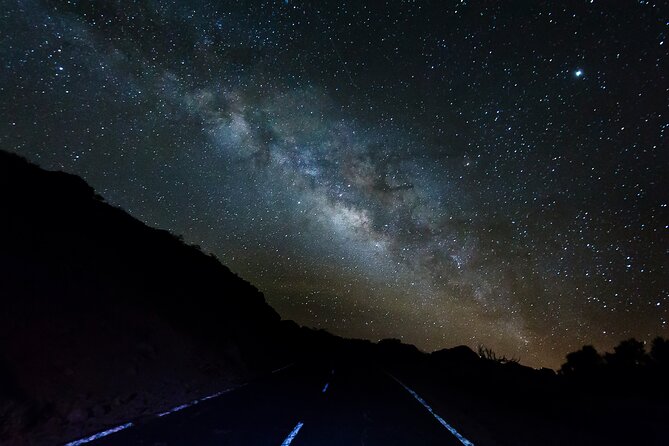
Teide National Park gives you two fine shows in one evening: the sun sinking behind the Atlantic, then the Moon and stars appearing over Tenerife’s volcanic peaks. This self-drive outing begins at Mirador de los Poleos, where you raise a glass of cava toward La Gomera and La Palma, then follow the guide’s vehicle toward Mount Samara.
I like the easy combination of sunset photography and stargazing, and I like that you bring your own car rather than sit on a large coach for the whole evening. The guides, including Steve and Daniele, add real astronomy rather than simply pointing out a few bright stars. The main drawback is the cold, along with the fact that some people may find the $48.01 cost high for an experience that involves following a van between two points.
Key points at a glance
- Sunset at Mirador de los Poleos: Watch the sun drop behind the Atlantic, with La Gomera and La Palma often visible.
- Cava included: Toast the view with Spanish sparkling wine, or choose a non-alcoholic drink.
- Self-drive format: Meet the team at the first viewpoint, then follow them through Teide National Park.
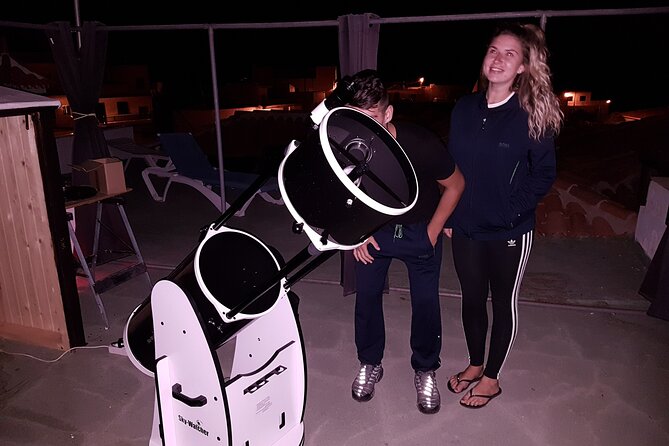
- Serious stargazing equipment: A large computerized telescope is used for the Moon, planets, nebulae, galaxies, and star clusters.
- English-only guidance: The talks are in English, so children and adults need enough English to follow the explanations.
- Bring warm clothing: Teide can feel freezing after sunset, and the cold may last through the astronomy session.
Two Tenerife shows in one evening
The appeal here is simple. You do not have to choose between a sunset lookout and a night-sky trip. You get both, with a short drive between the two.
The first stop is Mirador de los Poleos, a west-facing viewpoint in the Santiago del Teide area. From here, you look toward the ocean and the neighboring islands of La Gomera and La Palma. The lookout is linked with the volcanic eruption recorded by Christopher Columbus in his 1492 ship log, which gives the location an unusual historical footnote.
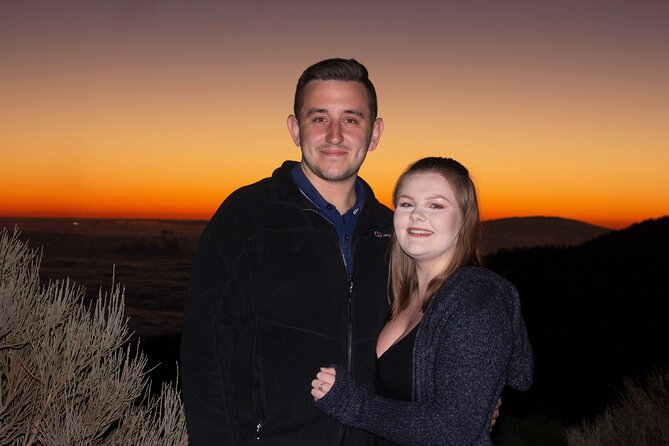
The view matters more than the backstory, though. As the sun falls, the clouds can catch orange, pink, and red light. Mount Teide may take on a reddish color as the last light reaches its slopes. If you enjoy photography, this is the time to have your camera ready. The guides can advise you on where to stand and what to frame, which is useful when the light changes quickly.
You will also see other tour groups at the meeting point. Several companies use this sunset lookout, so it can feel busy at the start. That does not ruin the view, but you should not expect a private viewpoint reserved only for your party.
More stargazing nights in Tenerife:
- Tenerife: Sunset and Stargazing at Teide National Park
★ 4.7 · 2,826 reviews - Teide National Park Sunset & Stargazing with Dinner (Star Safari)
★ 5.0 · 2,601 reviews - Teide by Night: Sunset & Stargazing with Telescopes Experience
★ 4.5 · 1,492 reviews
Mirador de los Poleos and the sunset timing
The exact start time depends on the season and sunset. One important practical point is that the meeting time may be around 6 p.m. rather than the later time some online descriptions suggest. Confirm the time before setting out, because arriving late could mean missing the main part of the sunset.
The first section is not a long guided walk. You meet the team, get positioned for the view, and have a glass of cava or a non-alcoholic drink. This makes the opening relaxed. It also means the experience begins with scenery rather than a long introduction.
If you want sunset photographs, arrive with your camera or phone ready. You may see clouds below the viewpoint while the islands remain visible beyond them. On a clear evening, La Gomera and La Palma add depth to the view. On a cloudier evening, the cloud tops can become the subject themselves.
The cava is a pleasant touch, but it is not a meal. No dinner or food is served, so eat beforehand. The activity lasts roughly two and a half hours, and the second half takes place after dark in a cold mountain setting.
Following the guide into Teide National Park
After sunset, you drive your own vehicle behind the Polestar team. The route continues into Teide National Park, with a stop connected to the last recorded eruption in 1909 and then a lookout near Mount Samara.
This format gives you more independence than a standard coach excursion. You are not locked into one vehicle, and you can leave from the first meeting point in your own car. It also reduces the stress of trying to choose a dark mountain road and a good stargazing location on your own. You simply follow the team.
That convenience has a limit. If you already know Teide well and have your own astronomy equipment, you may feel that the paid part is mainly the guide’s instruction and telescope access. One person found the self-drive fee poor value because the route amounted to following the company vehicle. That is a fair concern. The value depends on what you want from the evening.
You are paying for more than directions. The team selects a viewing point according to the weather, brings the telescope, explains what you are seeing, and can help with night photography. If you would otherwise drive into the park without knowing the best location or the correct objects to look for, that guidance can make the fee worthwhile.
Mount Samara after sunset
The second viewpoint is Mirador de Samara, or another suitable stargazing point chosen on site according to weather conditions. The end point can therefore vary, so do not treat the listed finish as a fixed promise.
At this stage, the sunset colors may still linger in the clouds while darkness gathers around the volcanic peaks. El Hierro may be visible from the viewpoint when conditions are clear. The setting combines open views with a much darker sky than you would get near the coast or in a town.
The astronomy session is the strongest part of the experience for many people. The computerized telescope is used for the Moon, but the guides may also show planets, galaxies, nebulae, and star clusters. What you see depends on the date, cloud cover, moonlight, and visibility.
A full Moon can be a mixed blessing. It looks striking as it rises over the mountain, but its brightness can wash out faint stars and reduce the visibility of parts of the Milky Way. On a darker night, the Milky Way and constellations can be far more prominent. The weather and moon phase matter as much as the equipment.
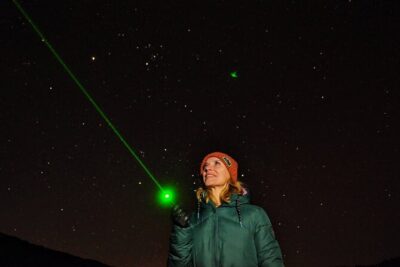
The guides use a laser to identify stars and constellations, then explain the night sky in plain language. Steve, Daniele, Phil, and Pete are named among the team connected with the experience. The strongest descriptions of the guides focus on their humor, enthusiasm, and ability to explain astronomy to people who do not normally study the sky.
More days in Teide National Park:
- Tenerife: Mount Teide Tour with Cable Car Ticket & Transfer
★ 4.3 · 5,094 reviews - Sunset & Stargazing Experience From Teide
★ 4.5 · 1,129 reviews - Mt. Teide and Masca Valley Tour in Tenerife
★ 4.5 · 965 reviews - Tenerife: Mount Teide Summit Hiking Adventure with Cable Car
★ 4.3 · 688 reviews
What the telescope adds
You can look up at the stars without a tour. The telescope is what changes this from a scenic stop into a proper astronomy session.
A large computerized telescope allows the guides to locate objects that you would not find easily on your own. You might look at the Moon’s surface, a planet such as Mars, a star cluster, or a distant galaxy. The exact program changes with the conditions, so no particular object should be treated as guaranteed.
The guides also offer astrophotography under the stars. That is not something most people can produce by stopping at a viewpoint with a phone. If getting a night-sky image is important to you, ask the team about it during the session.
The explanations are aimed at ordinary visitors rather than professional astronomers. You do not need a background in science to follow along, but you do need to pay attention in English. The talks are offered in English only. A 14-year-old who understands English well may enjoy the evening, while a younger child who needs constant translation may get less from it.
Cold weather is the main practical issue
Do not underestimate the temperature. After dark, the mountain air can feel freezing, even if Tenerife was warm at the beach earlier in the day.
Wear several warm layers, long trousers, sturdy shoes, and a proper jacket. A hat and gloves are sensible. Warm jackets may be available to borrow, but you should not rely on borrowed clothing as your only plan.
The cold is more noticeable because the astronomy session asks you to stand still. You are not walking continuously to keep warm. The sky may hold your attention, but your hands and feet will still feel the temperature.
This is also why the experience can run longer than the shortest description suggests. Plan your evening around roughly two and a half hours, allow extra time for the final viewing point, and do not schedule a late dinner immediately afterward.
Is $48.01 good value?
At $48.01 per person, the price is reasonable if you want instruction and equipment rather than only a viewpoint. You receive the guide’s route planning, sunset commentary, a glass of cava or soft drink, access to a large computerized telescope, and help locating stars and planets.
The self-drive arrangement keeps the price lower than a fully transported private excursion, but it also places more responsibility on you. You need a car, you must reach Mirador de los Poleos yourself, and you follow the company vehicle between stops.
For someone who would simply drive to Teide, look at the sky for a while, and return, the fee may not feel essential. The telescope, astronomy explanations, and photography advice are the parts that justify the cost. If you value those, the price compares well with the effort and equipment required to recreate the evening alone.
The group can reach as many as 45 people. That is not a small private tour, though the actual number may be lower. A larger group can mean waiting your turn at the telescope. It also keeps the price modest. If you want a quiet, highly personal astronomy lesson, ask about the expected group size before booking.
Who will enjoy this most?
I would choose this for adults, couples, families with older children, and anyone who wants a guided introduction to the sky without committing to a full astronomy course.
It suits you especially well if:
- You have a rental car and prefer not to spend the evening on a coach.
- You want sunset and stars in the same outing.
- You enjoy photography and want advice about both daylight and night scenes.
- You are curious about planets, constellations, and the Moon.
- You are comfortable standing outside in cold weather.
- You can follow an English-speaking guide.
I would think twice if you dislike driving at night, need a meal included, want a private tour, or expect a warm and comfortable evening. The activity is also less suitable for young children who cannot follow English explanations or tolerate the cold.
Service animals are allowed, and most people can participate. Confirmation is sent at booking. Free cancellation is available up to 24 hours before the start time, while poor weather can lead to a new date or a full refund.
When the weather and Moon affect the night
Stargazing always depends on conditions. The final viewing point may change on the day, and poor weather can cancel the outing. That flexibility is sensible because clouds can spoil the telescope session even when the sunset looks promising.
The Moon also changes the experience. A full Moon gives you a dramatic sight as it rises over the mountain, but its light can hide faint stars. A darker night offers better conditions for the Milky Way and dimmer objects.
You should book this with the right expectation: the team can choose a good location and bring strong equipment, but no guide can guarantee a particular constellation, planet, or clear sky. The sunset can also vary from a blazing display to a quieter evening of layered cloud and fading light.
Should you book the Polestar sunset and stars tour?
Book it if you want a well-organized introduction to Teide’s night sky, especially if you like the freedom of driving yourself and the idea of pairing sunset with telescope viewing. The guides and equipment are the main reasons to choose it over simply stopping at a viewpoint.
Skip it if you already have strong astronomy equipment, know the park well, or want a private experience with no other groups. Also skip it if you are not prepared for serious cold.
For most visitors, the best reason to go is the combination: a glass of cava at Mirador de los Poleos, changing light over the Atlantic islands, then a telescope aimed at the Moon, planets, and distant objects. Bring warm clothes, eat before you arrive, confirm the meeting time, and the $48.01 fee can buy a memorable and genuinely informative Tenerife evening.
FAQ
How long does the Polestar SELF-DRIVE Sunset Stars Tour last?
The experience lasts approximately two hours and 30 minutes. The timing can vary with sunset, weather, and the final stargazing location.
Where does the tour begin?
The meeting point is Mirador de los Poleos, 38690 Santiago del Teide, Santa Cruz de Tenerife, Spain.
Where does the tour finish?
It usually finishes at Mirador de Samara, but the final stargazing point may change on site according to weather conditions.
Is transport included?
No. This is a self-drive experience. You meet the team at the first viewpoint and follow their vehicle to the later stops.
Is food included?
No dinner or food is served. A glass of cava or a non-alcoholic drink is included.
What happens if bad weather cancels the tour?
You can be offered another date or a full refund if the experience is canceled because of poor weather. You can also cancel for a full refund if you do so at least 24 hours before the start time.
More evenings out in Tenerife
- Tenerife: Sunset Catamaran Tour with Transfer, Buff & Drinks
★ 4.8 · 570 reviews - Tenerife: Sunset Night Tour and Stargazing at Teide + Dinner
★ 3.8 · 316 reviews - Tenerife: Mount Teide Sunset and Night Tour with Pickup
★ 4.5 · 245 reviews - 3-Hour Teide Sunset Quad Trip in Tenerife
★ 5.0 · 205 reviews
Just added around Tenerife
- 3h Whale Watching Private tour Beneteau Oceanis 440★ 5.0 · 3 reviews
- Tenerife: Photography Sessions – Families, Couples, Friends★ 5.0 · 26 reviews
- Quad tour (option : Teide morning or Sunset tour)★ 4.5 · 26 reviews
- Beginner Scuba Dive with Scubapoint Tenerife in Turtle Area★ 4.7 · 8 reviews
- Tenerife: 2 Diving Sessions for Certified Divers★ 4.2 · 7 reviews
- small group surf lesson in Playa de las Américas,Tenerife★ 5.0 · 31 reviews
- sunset stand up paddle★ 5.0 · 29 reviews
- Yoga at the beach in Tenerife★ 5.0 · 21 reviews
Teide National Park Tours, compared.
Mount Teide Tour with Cable Car Ticket & Transfer
Read our review →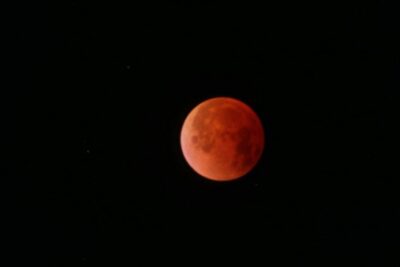
Teide National Park Sunset & Stargazing with Dinner (Star Safari)
Read our review →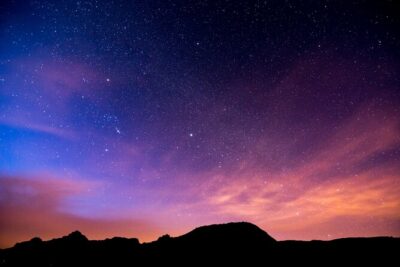
Mount Teide Summit Hiking Adventure with Cable Car
Read our review →
Teide, Icod de los Vinos & Garachico Full Day Tour
Read our review →
Small Group Teide National Park Volcanic and Forest Wonders
Read our review →Browse the lists this tour appears in