
Reviewed · TEIDE NATIONAL PARK TOURS
Teide National Park: Stargazing Experience
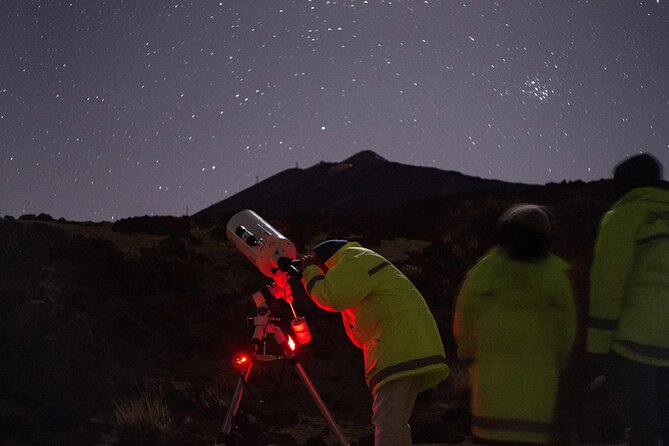
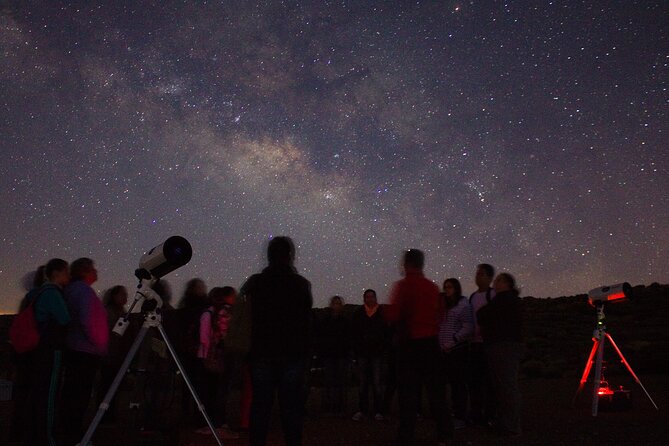
Teide National Park gives this short evening outing a remarkable setting: high volcanic ground, dark skies, and the Milky Way visible without a telescope on a clear night. The guide begins with the naked eye, then turns to powerful telescopes for planets, nebulae, star clusters, and galaxies.
I like the clear, friendly explanations and the chance to see real objects rather than only hear a talk. I also like the small maximum group of 20, plus the astrophotographic telescope, which can turn what you see into images. The main drawback is simple: it gets very cold, and experienced amateur astronomers may find the introduction basic.
Key points before you book
- Teide after dark: You meet at the Mines of San Jose inside Teide National Park, beneath one of Tenerife’s most striking night skies.
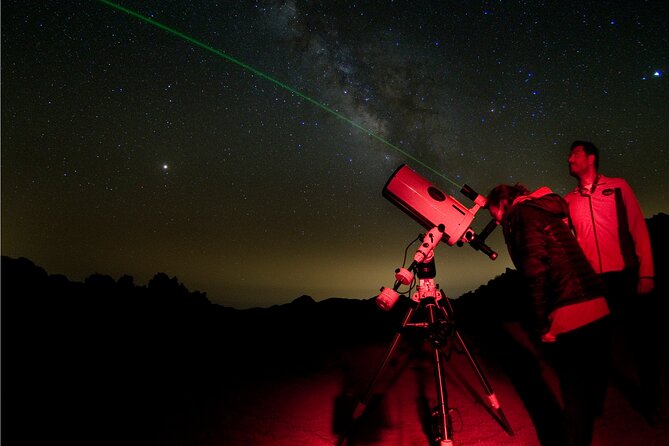
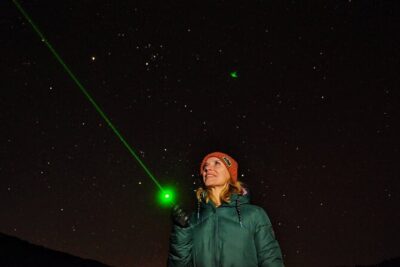
- Naked-eye astronomy first: Your guide uses a laser to point out stars, constellations, the Milky Way, and other features before telescope viewing begins.
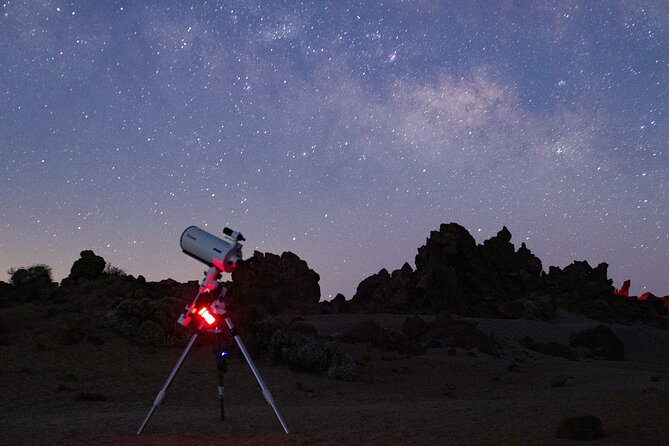
- Professional telescope viewing: Depending on the night, you might see the Moon, Saturn, Jupiter, nebulae, star clusters, or the Andromeda Galaxy.
- Short and focused: The activity lasts about 1 hour and 20 minutes, with no dinner or transport included.
- Good for families: Children can join with an adult, and young children have enjoyed the experience.
- Bring serious winter clothing: Several accounts warn that a sweatshirt is not enough at night on Teide.
Why Teide is such a good place for stargazing
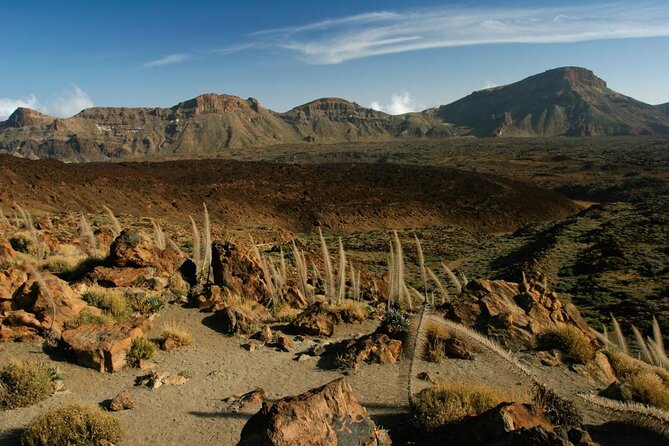
Tenerife is famous for beaches and resort towns, but Teide National Park shows you a quieter side of the island. After sunset, the volcano country becomes a dark, open setting for looking upward. The natural surroundings add much to the experience, especially if you arrive early enough to catch the evening light before the sky turns black.
The activity takes place at the Mines of San Jose, at postal code 38300 in Santa Cruz de Tenerife. That is your start and finish point. You need to arrange your own transport, since transfers are not included. The meeting time is 7:30 pm, though the exact feel of the evening will change with the season and the time of sunset.
The setting matters because city lights make it hard to see faint stars. From Teide, the sky can reveal the Milky Way to the naked eye. You do not need to know the difference between a nebula and a galaxy to enjoy this, either. The guide starts at a basic level and builds from there.
I especially like that the tour does not rush straight to the equipment. Looking through a telescope can be exciting, but it is more meaningful when you first understand what you are seeing. A bright point becomes a planet. A hazy patch becomes a distant galaxy. A group of stars begins to make sense as part of a constellation.
More stargazing nights in Tenerife:
- Tenerife: Sunset and Stargazing at Teide National Park
★ 4.7 · 2,826 reviews - Teide National Park Sunset & Stargazing with Dinner (Star Safari)
★ 5.0 · 2,601 reviews - Teide by Night: Sunset & Stargazing with Telescopes Experience
★ 4.5 · 1,492 reviews
The opening talk: learning the sky without equipment
The first part takes place with your eyes alone. Your astronomer guide explains the night sky, points out constellations, and shares facts about stars, planets, and other objects. Guides named Miguel, Adri, and Oscar have led sessions, and the strongest praise centers on their patient explanations and willingness to answer questions.
A laser pointer helps you follow the talk. This is useful because the sky can seem like a mass of tiny lights at first. The guide gives you a pattern to follow, then adds the story or science behind it. You may hear about the Milky Way, visible stars, zodiac constellations, and the way different objects appear in the sky.
This section works well for first-time stargazers. Couples attending their first astronomy event have found it easy to follow, and families with children have stayed interested. The guide does not assume that you already know the names of stars or constellations.
The level may feel light if you already use a star chart or spend your evenings with an astronomy app. One account specifically notes that the talk can be basic for an amateur astronomer who already knows the sky. Still, the location and telescope viewing give the evening value beyond the lesson itself.
The telescope session: from Saturn to distant galaxies
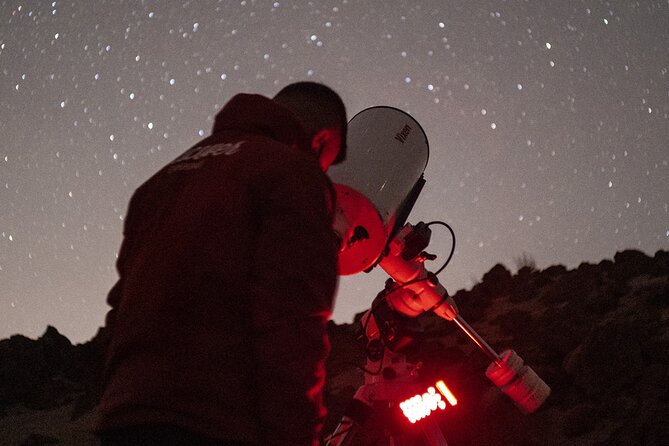
After the naked-eye explanation, you move to the telescope. The exact objects depend on the date, the position of the planets, and the weather. That is important: nobody can promise that you will see a particular planet on your chosen evening.
Past sightings have included the Moon, Saturn, Jupiter, the Andromeda Galaxy, nebulae, star clusters, and other galaxies. Saturn has been a particular highlight, especially for children and first-time visitors. Seeing its rings through a telescope can be far more memorable than looking at a photograph because you are watching the real object from a volcanic island in the Atlantic.
The Moon can also be impressive through the equipment, with its bright surface making a strong target. Jupiter is another popular sight when it is in a good position. On another date, the focus may shift to a nebula or star cluster rather than a planet.
That uncertainty is part of astronomy, but it is worth understanding before you book. The tour operator cannot control the clouds, the visibility, or which planets are above the horizon. One person hoped to see a planet but visited at a time when the timing was not right. The evening was still worthwhile, but you should treat the telescope list as a set of possible targets, not a fixed promise.
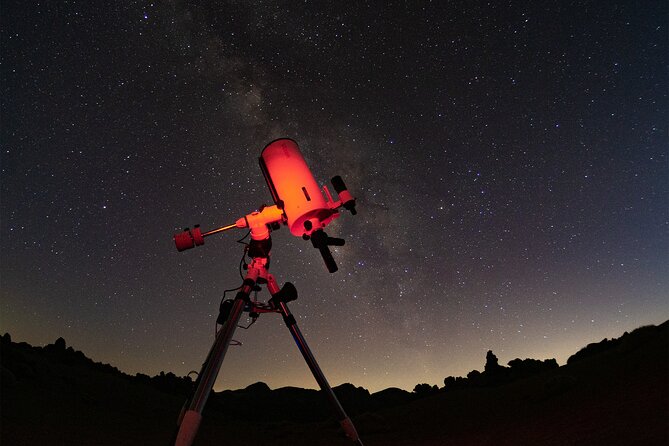
The experience also includes an astrophotographic telescope. This allows the team to create images of what you are viewing. That feature adds something practical to the event, since you are not only peering through an eyepiece and moving on. You may get a clearer sense of the object through the resulting image.
The guides make the difference
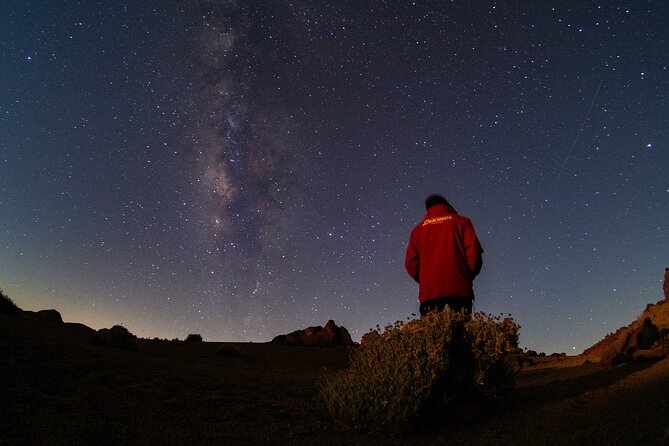
A short astronomy activity depends heavily on the person leading it. An hour and 20 minutes is enough for a good introduction and several telescope targets, but not enough for a university lecture. The best use of the time is a guide who can explain difficult ideas in plain language and keep the group moving.
The guides receive repeated praise for being friendly, prepared, and able to answer questions. Oscar is singled out for his explanations, while Miguel and Adri are credited with making a first stargazing experience easy and enjoyable. Another guide is described as warm and experienced, with a willingness to respond to questions.
That personal approach suits a mixed group. You might arrive with a child who wants to see Saturn, a partner who has never used a telescope, or a serious hobbyist hoping to test the night sky. The guide has to make room for all three. Based on the information available, the activity is designed for all ages and levels of astronomy knowledge.
English is offered. One account also notes the possibility of Spanish, so it may be worth checking your preferred language at booking if that matters to you.
More days in Teide National Park:
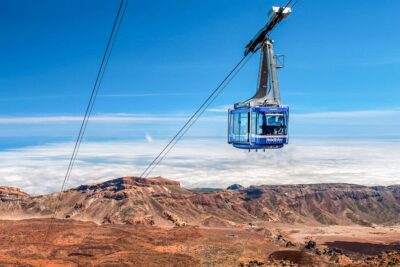
- Tenerife: Mount Teide Tour with Cable Car Ticket & Transfer
★ 4.3 · 5,094 reviews - Sunset & Stargazing Experience From Teide
★ 4.5 · 1,129 reviews - Mt. Teide and Masca Valley Tour in Tenerife
★ 4.5 · 965 reviews - Tenerife: Mount Teide Summit Hiking Adventure with Cable Car
★ 4.3 · 688 reviews
The cold is the one serious warning
Teide is high, and nighttime temperatures can be sharply lower than at the coast. The repeated advice is to dress more warmly than you think you need. A sweatshirt may not be enough. Bring a proper warm jacket and cover your arms and legs well.
Several people enjoyed the evening but mentioned the cold as the only real problem. One person described the experience as worth it despite the temperature. Another noted that a jacket made the night tolerable. The provider may have some warm clothing available if you forget, but I would not rely on that. Pack as if you will spend more than an hour standing outside in winter conditions.
Comfort affects how much you absorb. If you are shivering, you will pay less attention to the guide and enjoy the telescope less. Warm clothing also helps children stay engaged until the end.
The weather is important for another reason. The activity requires good conditions. If poor weather forces cancellation, you are offered another date or a full refund. That protects you from paying for an observation that cannot take place, but it also means you should keep some flexibility in your holiday schedule.
Family appeal, with a few practical limits
This is one of the better evening activities for families who want something beyond the usual resort routine. Children must be accompanied by an adult, and young children have managed the full session and enjoyed the telescope views. Saturn and the Moon are especially good targets for holding a child’s attention.
The format is also easier than a long guided walk. You meet at one point, stay for roughly 80 minutes, and return to that same meeting point. There is no dinner included, so you can eat before or after according to your plans.
Still, think about bedtime and the cold. A seven-year-old who is excited at sunset may feel differently after standing outside in mountain air. Warm layers, snacks before the tour, and realistic expectations will help. The group can include up to 20 people, so this is not a private family session.
For adults, the activity works well as a calm change of pace. You are not being asked to hike or take part in a strenuous activity. Most people can participate, and the focus is on listening, looking, and asking questions.
Is $42.33 fair value?
At $42.33 per person, I consider this a reasonable price for a guided telescope session in Teide National Park. The fee covers the naked-eye explanation, telescope observation, astrophotographic equipment, an astronomical guide, and insurance during the activity.
The value depends on what you want from the night. If you are already an advanced amateur astronomer with your own equipment and a strong grasp of the constellations, the talk may be too introductory. You may still appreciate the dark location, but you could find the teaching portion limited.
For most people, the price makes sense because you are paying for three things at once: access to an excellent observation site, help understanding what you see, and professional equipment that would be hard to arrange on your own. The short duration also fits neatly into an evening rather than taking over half a day.
Transport is not included, so remember to factor in the cost and effort of reaching the meeting point. Dinner is also separate. Those omissions are not surprising at this price, but they matter when you work out your full budget.
Booking ahead and getting to the meeting point
The activity is often reserved around 22 days before the date, so do not assume you can leave it until the last minute during a busy Tenerife stay. Confirmation is provided when you book, and the group is limited to 20 people.
You need to arrive at the Mines of San Jose for the 7:30 pm start. Since no transfer is included, plan your route carefully and allow enough time for the drive through the park. The approach can be scenic, especially around sunset, but you do not want to arrive after the guide has begun.
The activity ends back at the meeting point. That makes the plan straightforward once you get there, but it does not solve the return journey for you. If you are arranging your own transport, remember that the evening finishes after dark.
Free cancellation is available up to 24 hours before the start time for a full refund. Changes or cancellations inside that window are not accepted for a refund. Since weather can affect the tour, check your messages before setting out.
Who should book this experience?
I would choose this tour if you want a simple introduction to astronomy in an exceptional setting. It suits couples, families, and curious adults who would like a guide to point out the sky instead of trying to identify everything alone.
It is also a good choice if you want to see how a professional telescope changes your view of familiar objects. The Moon and planets can become surprisingly detailed, while nebulae and galaxies give you a sense of how large the universe is.
I would hesitate only if you dislike cold evenings, cannot arrange your own transport, or expect a fixed list of planets. Experienced amateur astronomers should also know that the talk may cover familiar ground.
The high recommendation rate and 4.9 rating from 118 ratings reflect a very consistent pattern: the guides explain well, the setting is memorable, and the telescope creates the main thrill. The one warning repeats just as consistently: bring warmer clothing than you think you need.
Should you book the Teide stargazing experience?
Book it if you want an approachable, family-friendly astronomy evening with a real chance to see the Milky Way, planets, or deep-sky objects through professional equipment. The combination of a dark mountain setting, clear instruction, and an 80-minute schedule gives you a lot for the price.
Skip it if you are looking for a private observatory visit, an advanced astronomy course, or transport from your hotel. For everyone else, pack a heavy jacket, arrive ready for changing telescope targets, and expect the sky itself to provide the evening’s best surprise.
FAQ
Where does the stargazing activity begin?
It begins at the Mines of San Jose, 38300, Santa Cruz de Tenerife, Spain, inside Teide National Park.
What time does the experience start?
The scheduled start time is 7:30 pm.
How long does the stargazing session last?
The activity lasts approximately 1 hour and 20 minutes.
Is transport to Teide National Park included?
No. Transport is not included, so you must make your own way to the meeting point.
What can I see through the telescope?
Possible objects include the Moon, planets such as Saturn and Jupiter, star clusters, nebulae, and galaxies. The exact objects depend on the date and weather conditions.
Is the activity suitable for children?
Yes. Most people can participate, and children may join when accompanied by an adult.
What happens if bad weather cancels the tour?
You will be offered a different date or a full refund if poor weather causes the activity to be canceled.
Just added around Tenerife
- 3h Whale Watching Private tour Beneteau Oceanis 440★ 5.0 · 3 reviews
- Tenerife: Photography Sessions – Families, Couples, Friends★ 5.0 · 26 reviews
- Quad tour (option : Teide morning or Sunset tour)★ 4.5 · 26 reviews
- Beginner Scuba Dive with Scubapoint Tenerife in Turtle Area★ 4.7 · 8 reviews
- Tenerife: 2 Diving Sessions for Certified Divers★ 4.2 · 7 reviews
- small group surf lesson in Playa de las Américas,Tenerife★ 5.0 · 31 reviews
- sunset stand up paddle★ 5.0 · 29 reviews
- Yoga at the beach in Tenerife★ 5.0 · 21 reviews
Teide National Park Tours, compared.
Mount Teide Tour with Cable Car Ticket & Transfer
Read our review →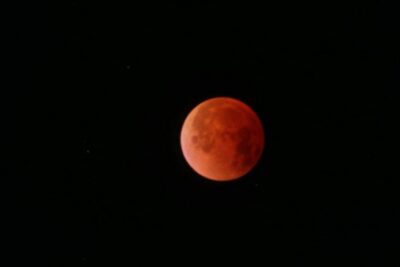
Teide National Park Sunset & Stargazing with Dinner (Star Safari)
Read our review →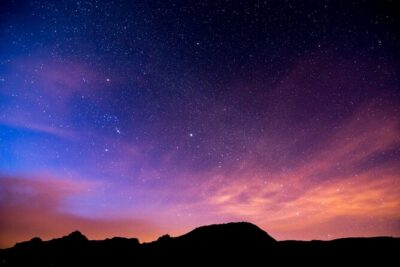
Mount Teide Summit Hiking Adventure with Cable Car
Read our review →
Teide, Icod de los Vinos & Garachico Full Day Tour
Read our review →
Small Group Teide National Park Volcanic and Forest Wonders
Read our review →Browse the lists this tour appears in