
Reviewed · TENERIFE WHALE AND DOLPHIN WATCHING
Whale Watching and Marine Science Tour
The most memorable part of this Tenerife whale-watching tour is not just spotting pilot whales and dolphins. You also get to listen to them underwater with a hydrophone and use sound-recording tools while a marine biologist explains what is happening. I like the small group of 10 and the respectful approach to wildlife. The main drawback is that there is no restroom or food on the boat, and sightings can never be guaranteed.
I also like that this feels more like a short field lesson than a fast ride out to sea. Guides such as Raoul, Misa, and Nico have been praised for clear explanations and patient answers. Book the early time slot if you can, since morning conditions may give you a calmer, more focused outing.
Key points to know before you go
- Pilot whales and dolphins are the main stars: The area is known for regular sightings of pilot whales and bottlenose dolphins, with occasional turtles and other marine life.
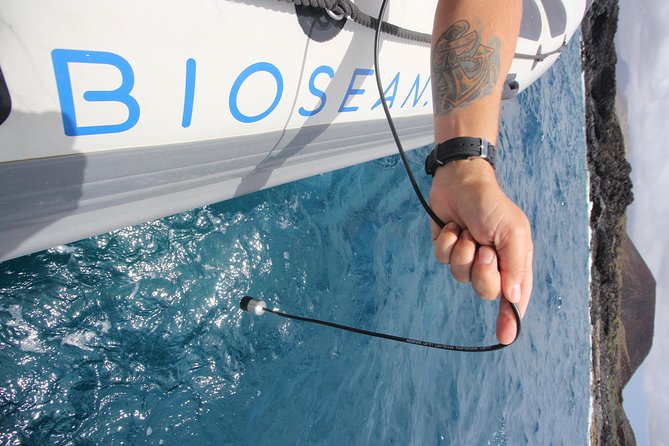
- You listen as well as watch: A hydrophone lets you hear whale communication beneath the boat.
- The group is capped at 10 people: This gives you a much better chance to ask questions and follow the guide’s explanations.
- Rasca adds a volcanic side trip: The boat passes the Rasca lighthouse and the protected Malpaís de Rasca formations.
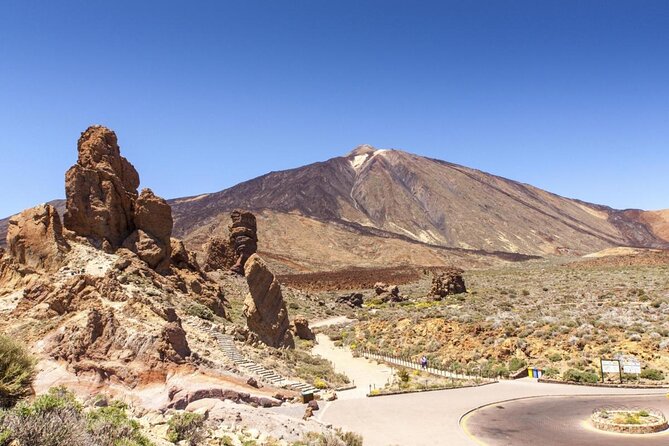
- Teide may appear offshore: On a clear day, Mount Teide provides a striking view from the water.
- It is best for curious families and nature-minded adults: Older children can take part in the science tools and ask questions without the outing becoming too technical.
Why this whale tour feels different
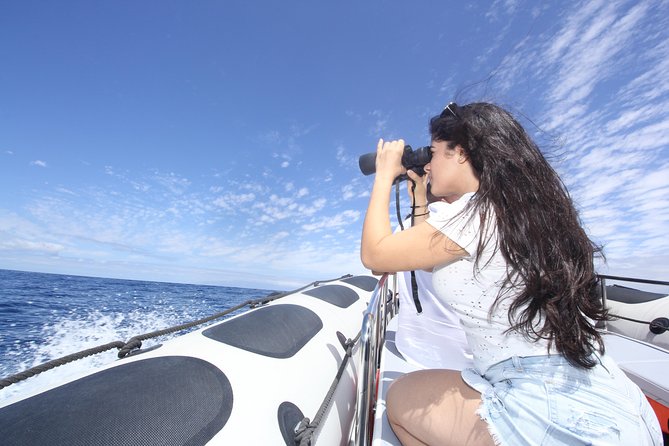
Many boat trips around Tenerife focus on one goal: get out, find animals, take photos, and return. This experience gives you more to do between sightings. The guide uses marine science tools to help you understand the sounds and behavior of the animals, so a quiet spell on the water still has a purpose.
That matters because wildlife watching is unpredictable. You may see a pod quickly, or you may spend time scanning the sea before anything appears. A hydrophone changes the experience from a simple visual search into a lesson in how whales communicate. You are not simply waiting for a fin to break the surface.
The maximum group size of 10 is another major advantage. On a large boat, you may struggle to hear the guide or find a clear place to look. Here, you have a better chance to ask about species, behavior, conservation, and the equipment being used. The setting suits you if you prefer conversation and explanation over loud entertainment.
The company also links the outing with marine science and education. That gives the trip a stronger sense of purpose than a standard sightseeing cruise. You are still enjoying a beautiful morning at sea, but you are also learning how researchers listen to and observe marine animals.
More whale and dolphin watching in Tenerife:
- Tenerife: Eco-Yacht Whale and Dolphin Watching and Swimming
★ 4.7 · 15,619 reviews - Los Cristianos Respectful No-Chase Whale and Dolphin Safari
★ 4.6 · 12,782 reviews - Costa Adeje: Whale & Dolphin Eco-Cruise with Snacks & Drinks
★ 4.6 · 5,096 reviews
Setting out from Marina del Sur
The tour begins at Biosean Whale Watching and Marine Science, at Marina del Sur in Las Galletas. The meeting point is at Pantalán 4, in the port area of this southern Tenerife town. The activity returns to the same place, which keeps the logistics simple.
Las Galletas is in Tenerife’s south, so this trip works well if you are staying in the southern resort area. The meeting point is near public transportation, though the information provided does not specify exact bus routes or transfer times. Check your route before booking if you are not staying nearby.
The advertised duration is about two and a half hours, though one outing lasted just under three hours. Allow a little flexibility around the schedule, especially if the crew finds interesting wildlife or spends time observing an animal responsibly.
You receive bottled water, and all taxes and fees are included. There is no restroom aboard, and snacks are not included. Eat beforehand and use facilities at the marina before departure. A small snack for before or after the trip is sensible, but do not count on food being served during the outing.
Listening for pilot whales beneath the boat
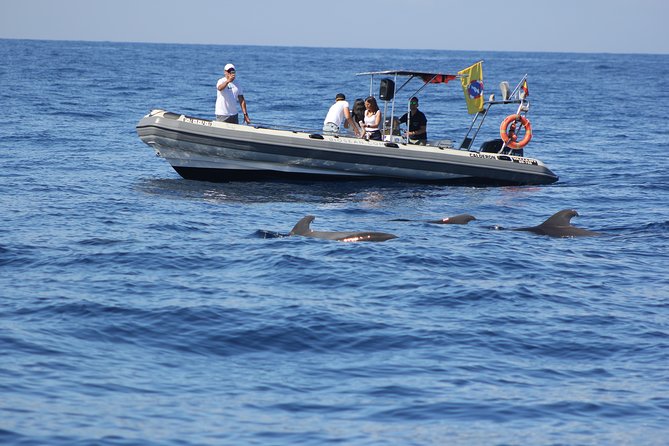
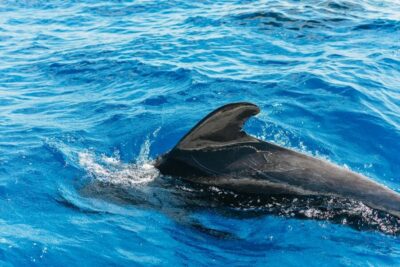
The main wildlife focus is pilot whales, which are regularly seen in the waters around Tenerife. Bottlenose dolphins are also a key possibility. The exact mix changes from one trip to the next, so you should think of the outing as a wildlife search rather than a guaranteed performance.
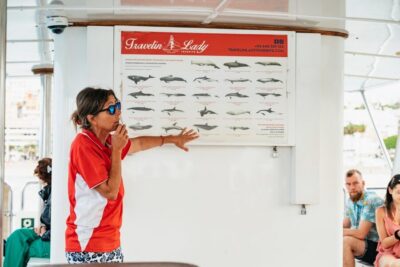
The hydrophone is the most unusual feature. When conditions allow, the guide can place an underwater microphone in the sea and let you hear the sounds of the whales. This gives you a sense of the animals’ presence even when they are below the surface or partly hidden from view.
You might see a pod of pilot whales traveling together, or watch dolphins move through the water near the boat. Past outings have included Atlantic dolphins, a flying fish, hammerhead shark sightings, and loggerhead turtles. These are possible bonus sightings, not promises, but they show how much life can appear during a short trip.
One particularly memorable outing included an ailing loggerhead turtle that the crew helped rescue. Another included picking up marine litter and briefly entering the water. Those events should not be expected on every departure, but they show the kind of marine care that can form part of the experience when circumstances allow.
The most important point is the guide’s behavior around the animals. The tour is designed around respectful observation, not chasing or crowding whales and dolphins. That is good for the wildlife and also gives you a calmer view. You may not get the closest possible photograph, but you are more likely to watch natural behavior without the scene feeling forced.
The science tools make quiet moments worthwhile
The marine science angle is not just a label. You may handle or observe tools such as a hydrophone and sound recorder, with the guide explaining what they reveal. This is especially useful if you enjoy asking how scientists identify animals and interpret their calls.
The guides have also been described as working with young people in internships. That suggests the operation is tied to education as well as tourism, though the exact research and training structure is not detailed. You can expect the guide to explain the animals in plain language rather than burying you in facts.
The balance is important. The outing is educational, but it is not presented as a formal lecture. You can ask questions as they come up, and the small group makes that practical. Some families will appreciate this more than a trip built around loud music and quick commentary.
Older children are likely to get the most from it. They can connect the sound equipment with what they are seeing and understand why the crew keeps its distance from the animals. Younger children may enjoy the whales and dolphins, but the science side requires enough patience to listen and watch carefully.
Same island, a completely different kind of day:
- Siam Park Entry Tickets
★ 4.5 · 15,710 reviews - Tenerife: Loro Parque Entry Ticket
★ 4.8 · 12,411 reviews - Loro Parque and Siam Park Combined Admission Tickets
★ 4.7 · 7,307 reviews - Tenerife: Kayak and Snorkel with Turtles, Wetsuits Included
★ 4.6 · 7,215 reviews
Rasca lighthouse and the Malpaís de Rasca coast
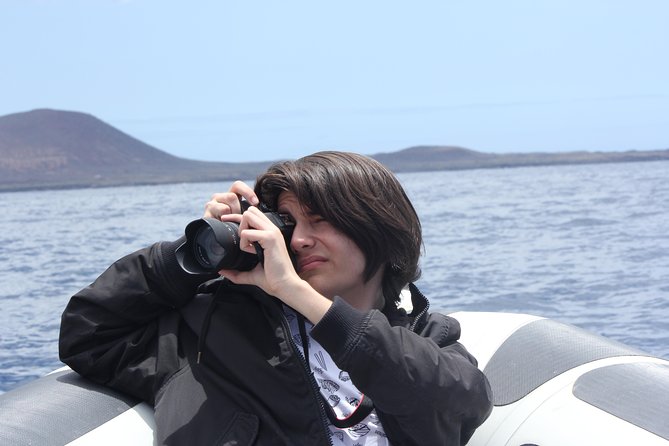
The boat passes Tenerife’s southernmost point near the Rasca lighthouse. This section gives the trip a wider sense of place. You are not only looking offshore for mammals, you are also seeing a protected coastal area shaped by volcanic activity.
The Malpaís de Rasca is known for interesting volcanic formations. From the water, these formations provide a natural backdrop and a reminder that Tenerife is an island built by volcanoes. The lighthouse adds a clear visual marker to the route, making this part easy to follow even if you are not familiar with the coast.
Do not expect a long shore visit or a walking stop here. The boat passes the area as part of the marine route. Its value is in the combination of geology, coastline, and open water, not in a separate land excursion.
This section also gives you a useful pause between wildlife searches. If the sea is quiet, you can focus on the rugged coast and listen to the guide explain what you are seeing. It helps the tour feel like a broader marine ecology trip rather than a single-minded hunt for a photograph.
Teide from the water
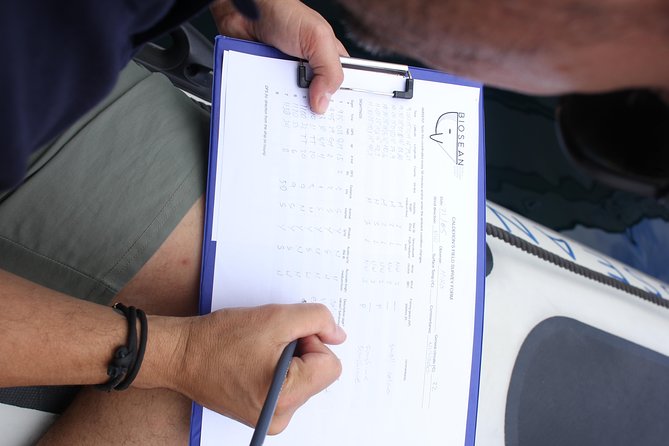
When the sky is clear, you can see Mount Teide from the boat. The view is weather dependent, so cloudy conditions may hide it. Still, the possibility adds a fine Tenerife touch to the outing.
Teide is usually associated with the island’s interior and high country. Seeing the volcano from the sea gives you a different sense of its scale and position. The contrast between the open Atlantic, the volcanic coast, and the mountain inland makes this one of the more rewarding visual moments of the route.
Keep your expectations sensible. The tour is not a dedicated Teide sightseeing trip, and the mountain may not be visible. If it does appear, treat it as an added view rather than the main reason to book.
How much value do you get for $90.70?
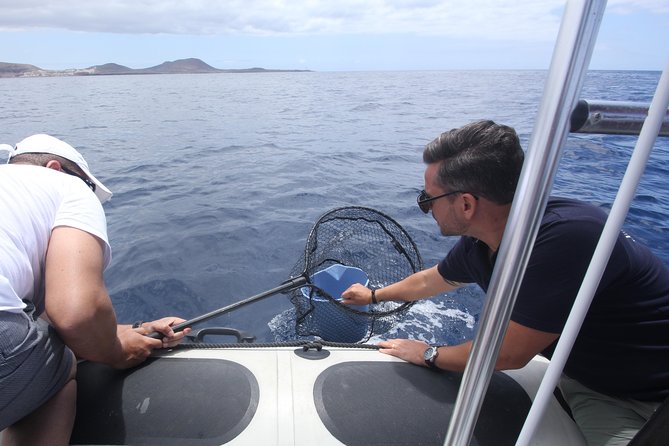
At $90.70 per person, this is not the cheapest way to spend two and a half hours on the water. The price makes more sense if you value the small group, the marine biologist guide, and the chance to use real observation tools.
You are paying for more than transport around the coast. The fee includes bottled water and all taxes and fees, while the limited group size improves the quality of the instruction. With only 10 people aboard, the guide can respond to questions and explain what the hydrophone is picking up without competing with a crowd.
The value is strongest for you if wildlife watching and conservation are central interests. If you only want a quick boat ride and a few dramatic photographs, a larger and cheaper cruise may meet your needs. If you want to understand what you are seeing, this trip earns its price more easily.
The fact that the outing is often booked about 22 days ahead suggests you should not leave it until the last minute, especially if your Tenerife schedule is short. The small capacity limits the number of spaces on each departure.
Timing, weather, and practical planning
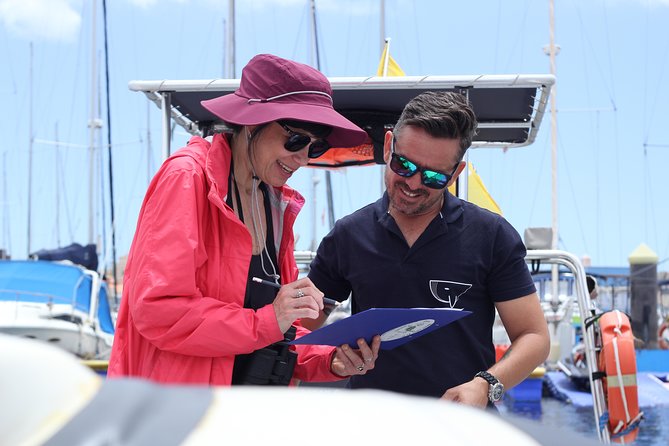
The tour lasts approximately two hours and 30 minutes. One outing ran close to three hours, so leave room in your day rather than scheduling a tight lunch, airport transfer, or another paid activity immediately afterward.
The company requires suitable weather. If poor conditions cancel the trip, you can be offered another date or a full refund. A minimum number of participants is also required, and if that condition is not met, you can choose another date or experience or receive a full refund.
You can cancel for a full refund up to 24 hours before the start time. Changes or cancellations made less than 24 hours before departure are not accepted for a refund. The cut-off follows local Tenerife time.
Bring the practical basics: water is supplied, but snacks are not, and there is no onboard restroom. Since the trip is at sea, follow the crew’s advice about where to sit and how to move around. The information provided does not specify particular clothing or equipment, so check the conditions before departure and dress for the forecast.
Who will enjoy this most?
I would choose this tour for:
- Older children and teenagers who enjoy animals, science, or asking questions
- Adults who prefer a small boat and direct contact with the guide
- Experienced whale watchers who want to hear underwater communication
- Families seeking a nature activity with an educational purpose
- Visitors interested in Tenerife’s volcanic coast as well as its marine life
- Anyone who prefers respectful wildlife watching over a loud sightseeing cruise
I would think twice if you need a restroom aboard, want a guaranteed whale sighting, or dislike spending time scanning the sea. The experience depends on weather, animal behavior, and patience. Even a well-run wildlife tour cannot control what appears.
The tour is offered in English. Most people can participate, but the supplied information does not give detailed accessibility specifications. Contact the provider directly if you need particular assistance or have mobility concerns.
Should you book the Biosean whale-watching tour?
You should book it if you want a small, science-focused wildlife trip rather than a basic cruise. The hydrophone, sound recorder, marine biologist guide, and 10-person limit give the experience real substance. The chance to see pilot whales, dolphins, turtles, and other marine life is a strong bonus.
I would aim for an early departure, allow nearly three hours, and arrive prepared with food beforehand. Book ahead if your dates are fixed. Skip it if your priority is a guaranteed close-up encounter or onboard comfort such as toilets and snacks.
For curious families, serious wildlife watchers, and anyone who wants to see Tenerife from the sea while learning how marine animals communicate, the $90.70 price is reasonable. The best part is that the trip treats the animals as wild creatures, not as a show put on for a boat.
FAQ
Where does the whale-watching tour begin?
It begins at Biosean Whale Watching and Marine Science, Marina del Sur, Pantalán 4, 38631 Las Galletas, Santa Cruz de Tenerife, Spain.
Where does the tour end?
The activity ends back at the meeting point in Marina del Sur.
How long does the tour last?
The advertised duration is approximately two hours and 30 minutes. One outing lasted just under three hours.
How many people can join?
The group is limited to a maximum of 10 participants.
What animals might I see?
The main possibilities are pilot whales and bottlenose dolphins. Other sightings reported during outings have included Atlantic dolphins, loggerhead turtles, hammerhead sharks, flying fish, and rays, but these are not guaranteed.
Will I hear the whales underwater?
The tour includes marine science tools such as a hydrophone and sound recorder. These can allow you to listen to whale communication beneath the boat when conditions permit.
Is Mount Teide visible during the tour?
You can see Mount Teide from the water when the skies are clear. Visibility depends on the weather.
Are food and drinks included?
Bottled water is included. Snacks are not included. Some outings have also offered fresh drinks, but the stated inclusions only guarantee bottled water.
Is there a restroom on the boat?
No. There is no restroom onboard, so use facilities at the marina before departure.
What happens if the weather cancels the tour?
If poor weather causes a cancellation, you can be offered a different date or a full refund. A full refund is also available when you cancel at least 24 hours before the start time.
Just added around Tenerife
- 3h Whale Watching Private tour Beneteau Oceanis 440★ 5.0 · 3 reviews
- Tenerife: Photography Sessions – Families, Couples, Friends★ 5.0 · 26 reviews
- Quad tour (option : Teide morning or Sunset tour)★ 4.5 · 26 reviews
- Beginner Scuba Dive with Scubapoint Tenerife in Turtle Area★ 4.7 · 8 reviews
- Tenerife: 2 Diving Sessions for Certified Divers★ 4.2 · 7 reviews
- small group surf lesson in Playa de las Américas,Tenerife★ 5.0 · 31 reviews
- sunset stand up paddle★ 5.0 · 29 reviews
- Yoga at the beach in Tenerife★ 5.0 · 21 reviews
Tenerife Whale and Dolphin Watching, compared.
Eco-Yacht Whale and Dolphin Watching and Swimming
Read our review →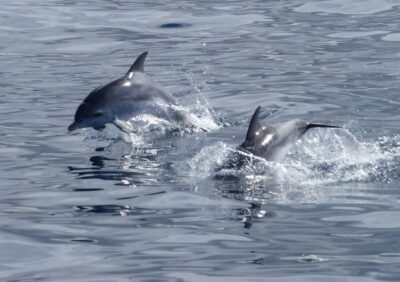
Los Cristianos Respectful No-Chase Whale and Dolphin Safari
Read our review →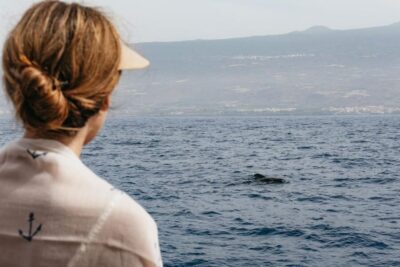
Whale & Dolphin Eco-Cruise with Snacks & Drinks
Read our review →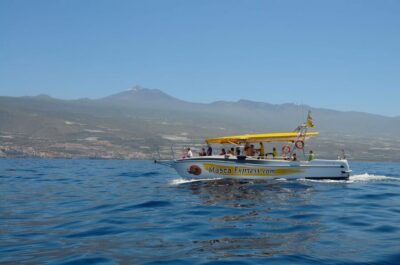
Dolphin & Whale Watching Cruise with Swim Stop
Read our review →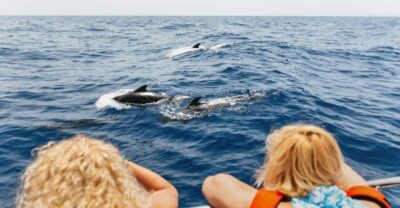
Whale & Dolphin Watching with Drinks and Snacks
Read our review →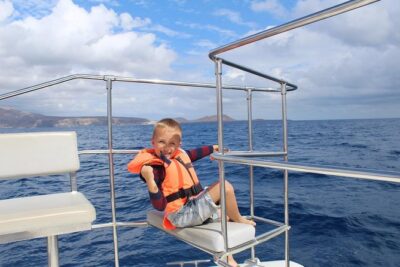
Whale and Dolphin Watching Catamaran with Transfer and Buffet
Read our review →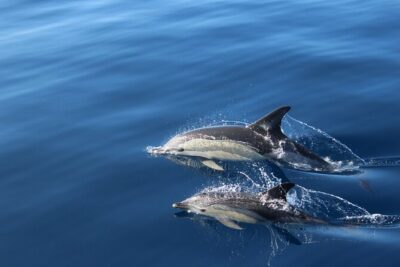
No chase Whale & Dolphin tour putting Marine Life first – we care
Read our review →Browse the lists this tour appears in