
Reviewed · TENERIFE WHALE AND DOLPHIN WATCHING
Costa Adeje: Whale Watching Eco Experience with Hydrophone.
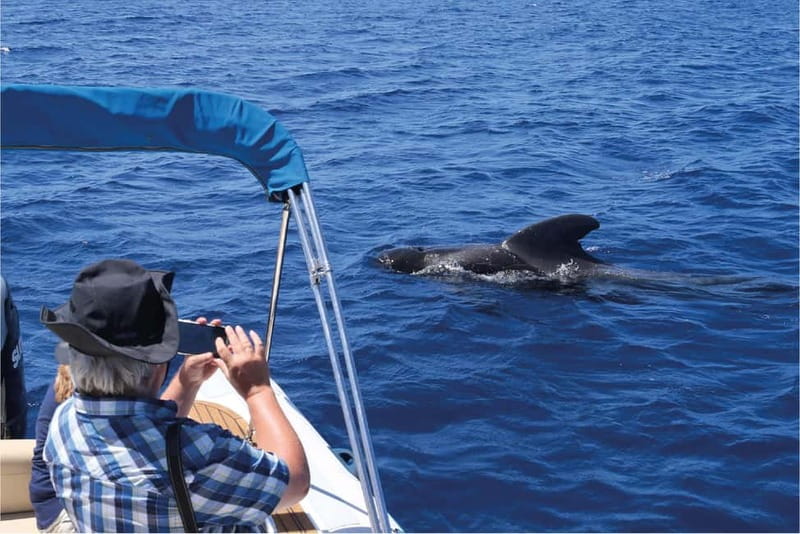
The best part of this Costa Adeje trip is the hydrophone. When the boat’s engines are switched off, you do not just watch pilot whales or dolphins at the surface. You can listen for the sounds they use to communicate and hunt. That pause, with the sea doing the talking, gives the outing more meaning than a quick photo stop.
I like the small boat, which carries no more than 10 people, and I like the conservation work behind the trip. A biologist explains the animals and their behavior, while the company also helps with marine animal rescues and pilot whale photo-identification research. The main thing to consider is that wildlife sightings cannot be guaranteed, and the tour’s appeal depends on your interest in a respectful, observation-first approach.
Key points before you book
- The hydrophone changes the experience: You listen to cetaceans underwater after the boat engines are turned off.
- Papacho 2 carries up to 10 people: The small group allows closer attention from the two-person crew.
- The setting is Tenerife’s whale sanctuary: The trip operates off Costa Adeje in the only whale sanctuary in Europe.
- A biologist explains what you see: The focus is on behavior, identification, and conservation, not just spotting animals.
- The crew keeps its distance: Encounters are handled without interfering with natural behavior.
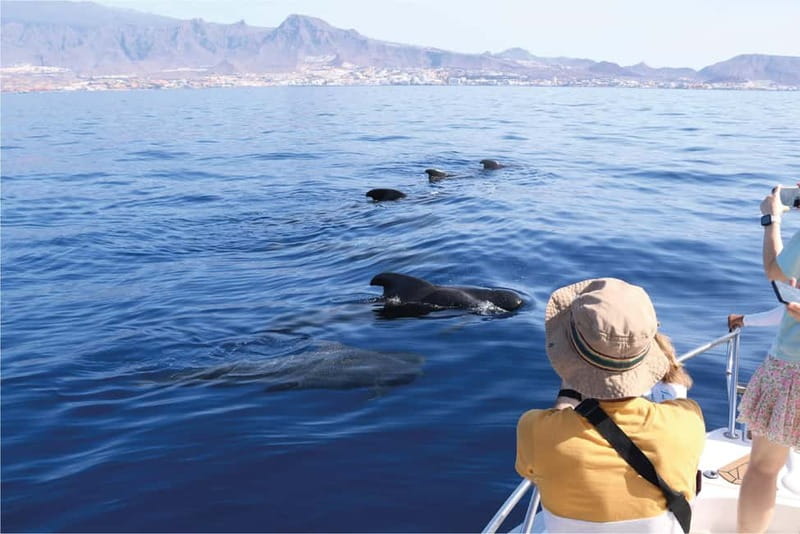
- Pilot whales are a strong possibility: The company takes part in a photo-identification catalog of pilot whales in the Canary Islands.
Setting out from Costa Adeje
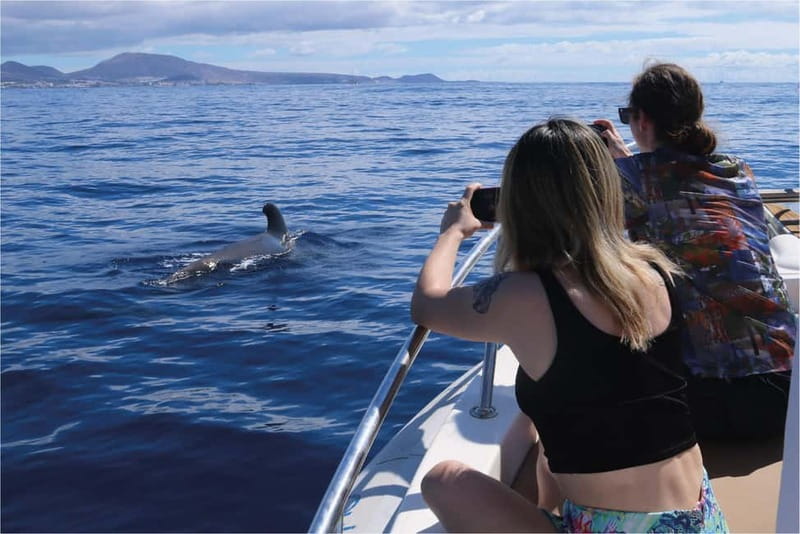
This is a 2.5-hour boat trip along Tenerife’s south coast, departing from the Costa Adeje area at the agreed starting time. The meeting point details and available departure times should be checked when you book, since the schedule can vary.
You board Papacho 2, a boat with room for a maximum of 10 passengers. That limit matters. On a larger whale-watching boat, you may spend much of the trip moving around to find a clear view. Here, the small group should make it easier to hear the guide, ask questions, and follow the animals without a crowd pressing toward one side.
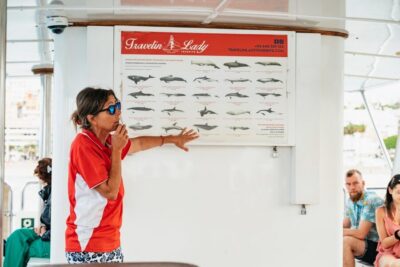
The crew consists of two trained members, including a biologist on board. The biologist introduces the marine life you might find and explains the basic rules for watching it. This gives the trip a useful purpose from the start: you are not simply looking for fins, you are learning how to read the behavior in front of you.
Drinks are included. You should bring sunglasses, a sun hat, and sunscreen. The supplied details do not specify other onboard facilities, so pack lightly and keep anything you bring secure on the boat.
More Whale and Dolphin Watching in Costa Adeje
- Costa Adeje: Whale & Dolphin Eco-Cruise with Snacks & Drinks
★ 4.6 · 5,096 reviews - Costa Adeje: Whale Watching Catamaran Tour with Drinks
★ 4.7 · 3,653 reviews - Whale and Dolphin Watching Catamaran with Transfer and Buffet
★ 5.0 · 2,712 reviews
Why Tenerife’s whale sanctuary matters
The trip operates within the only whale sanctuary in Europe, according to the activity information. That protected setting is central to the experience. The point is not to chase animals across open water or force a close approach. The aim is to observe cetaceans where they already live, using methods that reduce disturbance.
The south coast of Tenerife is known here as a place where you may find different groups of cetaceans, along with turtles and seabirds. The exact mix changes from outing to outing. You might see a group of pilot whales, spot dolphins traveling through the area, or spend time watching seabirds while the crew searches for signs of activity.
That uncertainty is worth keeping in mind. This is wildlife watching, not a scheduled animal show. You may get a memorable encounter, but no ethical operator can promise a particular species or behavior on a particular departure.
The whale and dolphin search
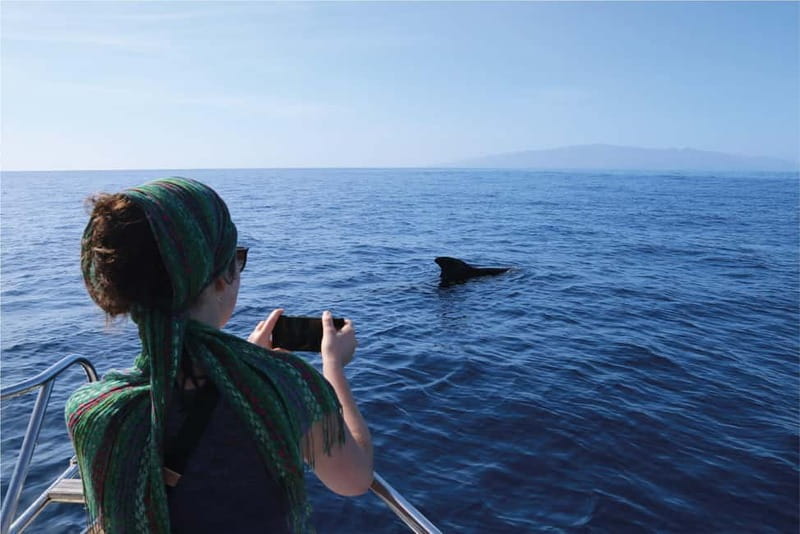
Once the boat reaches suitable waters, the crew looks for signs of marine life and approaches different groups carefully. The biologist helps you interpret what you see. You may learn to notice how an animal surfaces, travels, rests, hunts, or stays with its group.
The approach is deliberately restrained. The crew maintains a safe distance and avoids interfering with natural behavior. That can mean you do not always get the nearest possible view, but it also means the sighting has not been created at the animals’ expense.
The company’s stated practice is to turn off the boat’s engines during the sighting. This is an important detail, not a small technical feature. Engine noise can affect what you hear and may disturb marine life. With the motor silent, the boat becomes a quieter platform for observation.
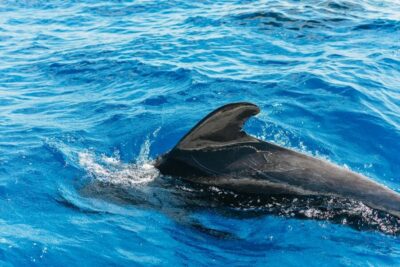
The experience has been especially praised for sightings of pilot whales. You could see them near the boat, but the exact distance and length of the encounter will vary. The company also contributes to a photo-identification catalog of pilot whales in the Canary Islands, so the trip connects ordinary sightseeing with an ongoing effort to recognize and monitor individual animals.
The hydrophone: the feature worth choosing this trip for
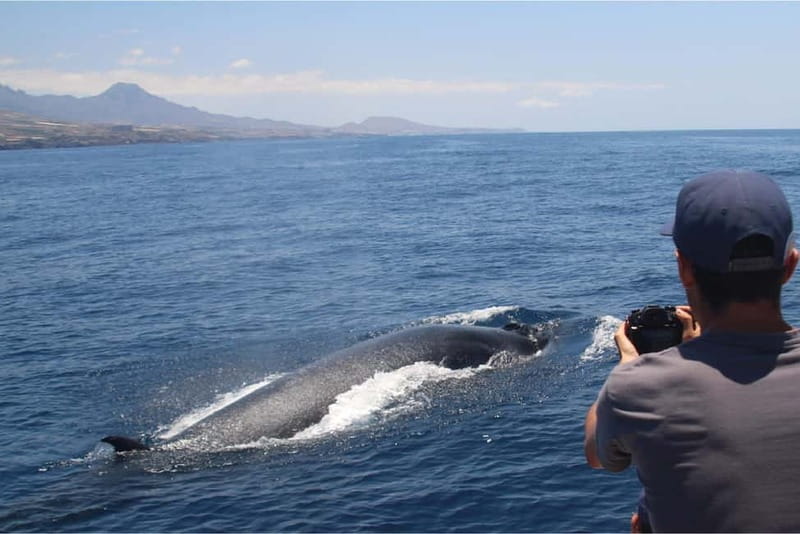
Many whale-watching trips are built around the surface view. This one adds an underwater listening session. The crew lowers a hydrophone after shutting down the engines, allowing you to hear the sounds made by the animals.
That audio can help you understand that the sea is active even when the surface looks calm. Cetaceans use sound to communicate and hunt, and the hydrophone gives you a small window into that hidden part of their lives.
I would choose this outing for the hydrophone even if I had already taken a standard whale-watching cruise. The listening element slows things down. Instead of racing from one sighting to the next, you have a chance to focus on the animals as living, social creatures.
The audio will not necessarily be dramatic every time. Sound quality depends on the animals, their distance, and conditions at sea. Still, it is a rare feature and a strong reason to compare this trip with larger boat excursions that focus mainly on photographs.
More things to do in Costa Adeje:
- Whale Watching Eco-Adventure from Costa Adeje
★ 5.0 · 2,066 reviews - Costa Adeje: Whale & Dolphin Submarine Vision Mini Cruise
★ 4.5 · 2,043 reviews - Costa Adeje: Whale and Dolphin Cruise with Food and Pickup
★ 4.3 · 1,604 reviews - Adeje: Whale and Dolphin Watching Cruise with Lunch and Swim
★ 4.4 · 1,573 reviews
Conservation that you can see in practice
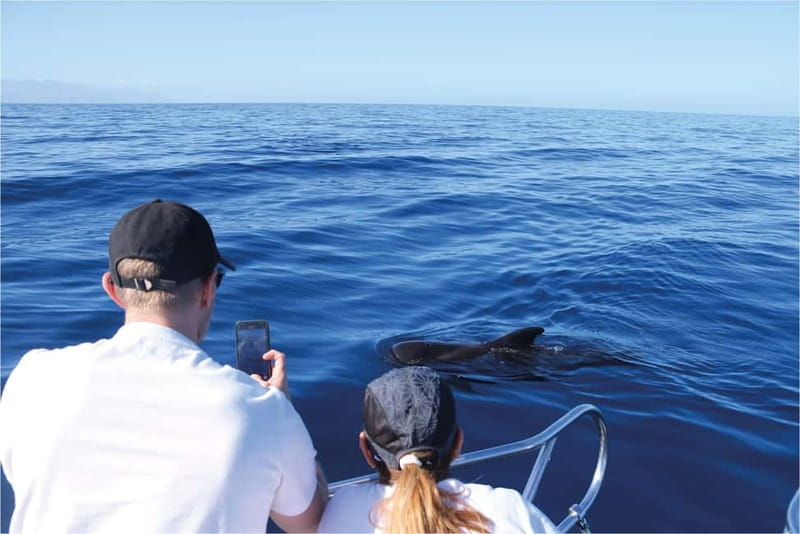
Atlantic Eco Experience presents conservation as part of the work, not as a short speech added at the end. The company belongs to ACEST, the Association of Companies for the Sustainability of Tourism, and says it follows responsible practices aimed at protecting marine biodiversity.
The crew also takes part in rescuing and rehabilitating injured marine animals. That does not mean a rescue will happen during your trip, and you should not expect to see one. It does show that the company’s relationship with the sea extends beyond taking people out for a morning or afternoon.
The photo-identification project for pilot whales is another practical connection. Scientists and conservation groups can use distinctive markings and features to recognize individual animals over time. Your sighting is not automatically a research session, but the company’s participation in this catalog supports a better understanding of the species found around the Canary Islands.
For you, the value is simple: your money supports an outing that tries to minimize pressure on wildlife and adds useful information about the animals. That does not make the trip impact-free, but it is a more responsible model than treating the sea as an amusement park.
What the two-person crew adds
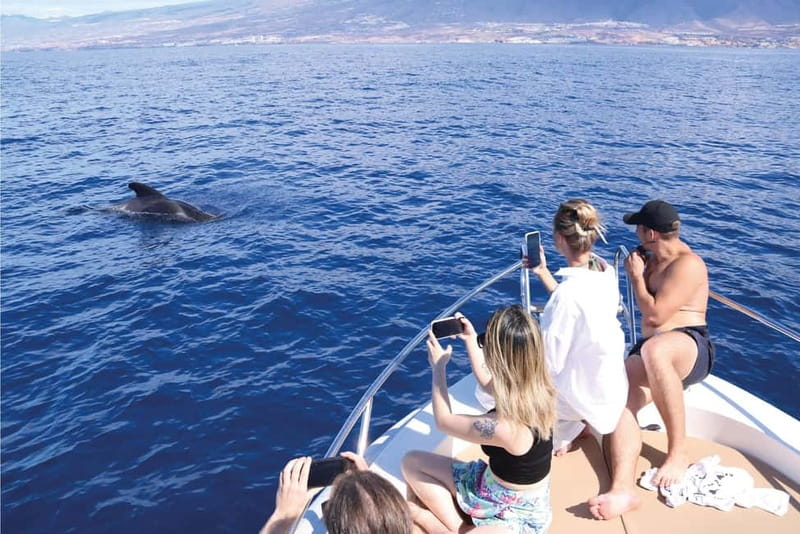
A two-person crew is a good fit for this type of boat. One person can manage the vessel and safety while the biologist concentrates on explaining what you see. With no more than 10 passengers, the guide’s comments should be easier to follow than they would be from the back deck of a large excursion boat.
The tour is offered in English and Spanish. If you have a question about a behavior or species, the small group format should make it easier to ask rather than simply listen from a distance.
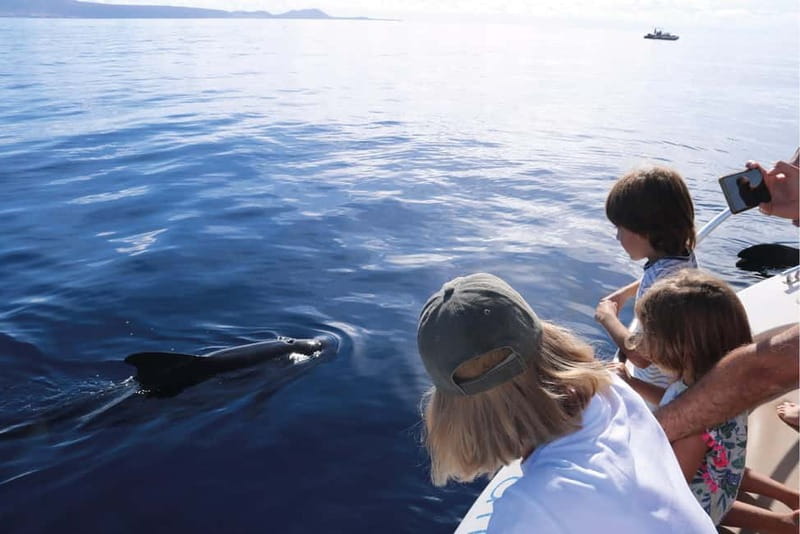
The crew has received strong praise for being friendly and experienced, and for helping create a comfortable outing for families. One important detail is that the trip has been described as suitable for families with small children. The provided information does not give a minimum age, child fare, or specific facilities for babies, so families should confirm those points before booking.
Is 2.5 hours the right length?
Two and a half hours gives the crew enough time to reach areas where marine life may be active without turning the trip into a half-day commitment. It is long enough for searching, several viewing opportunities, and the hydrophone session, while still fitting neatly into a Costa Adeje holiday schedule.
The time can feel short if the animals appear quickly and remain near the boat. It can feel longer if the crew needs to search. That is normal for responsible wildlife watching. A captain who refuses to chase animals may spend more time waiting and repositioning.
I would plan the rest of your day with some flexibility. The tour has a set duration, but sea conditions and wildlife behavior can shape the rhythm of the outing. The available starting times are shown during booking, so choose a departure that leaves you comfortable rather than stacking it tightly against another reservation.
Value, group size, and what you are paying for
No tour price is provided here, so I cannot judge the exact cost against competing excursions. The value comes from several specific features: a maximum of 10 passengers, a biologist on board, drinks, a hydrophone, engine-off viewing, and a company involved in rescue work and research.
If the price is higher than a large-group cruise, the difference is easier to justify if you care about quiet observation and personal attention. You are paying for a more limited boat capacity and a conservation-led format, not just transport out to sea.
If your main goal is the cheapest possible chance of seeing a whale, compare prices carefully. A larger boat may offer a lower fare. If you want a calmer outing with fewer people and a way to hear cetaceans as well as see them, this experience offers a more distinctive package.
The perfect value depends on your priorities. I would not choose it only because it promises a sighting. I would choose it because the method of watching matters to me.
What to bring and how to prepare
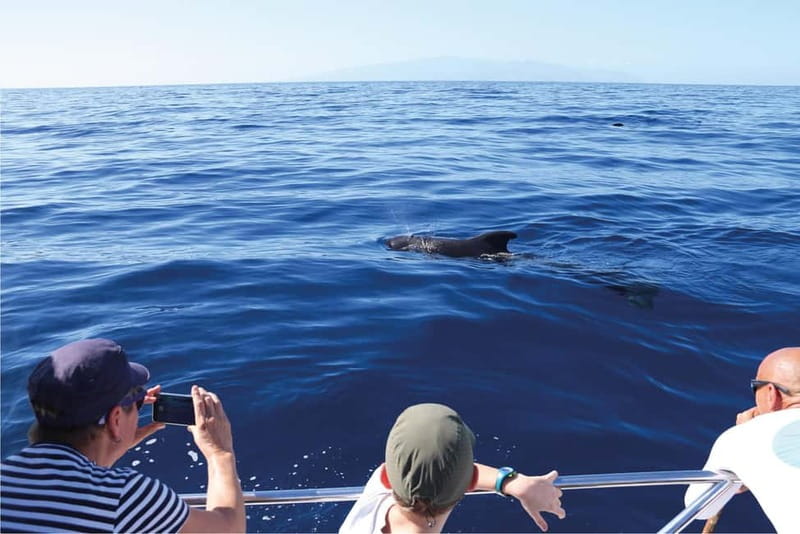
Bring sunglasses, a sun hat, and sunscreen. The tour takes place outdoors, and the water can make sunlight feel stronger than it does on land.
Wear practical clothing for a boat trip and keep personal items compact. The provided information does not list towels, jackets, food, or special equipment as included, so do not assume those are supplied. Drinks are included, but other provisions are not specified.
Most of all, bring patience. The best encounter may be a brief surface appearance followed by a quiet period with the hydrophone. If you need constant action, a wildlife trip may test you. If you enjoy watching patterns and listening carefully, the slower pace should suit you.
Who should book this Costa Adeje trip?
I would recommend it to:
- People who want a small-group whale-watching trip rather than a crowded boat
- Families looking for an outing that can suit small children
- Anyone interested in marine biology and animal behavior
- Visitors who care about lower-impact wildlife tourism
- Repeat whale-watchers who want to try a hydrophone
- Photographers who also value observation, though no special photography setup is listed
It may not suit you if you want a guaranteed sighting, a party atmosphere, or a long list of onboard extras. The focus is quiet, respectful contact with the marine world.
Booking flexibility and languages
You can cancel up to 24 hours before the activity for a full refund. You can also reserve now and pay later, which is useful if your Tenerife plans are still taking shape.
The live guide is available in English and Spanish. The small group is limited to 10 participants, so book ahead if that capacity matters to you, especially during busy periods.
Should you book Atlantic Eco Experience?
Yes, if you want a thoughtful whale-watching trip built around quiet encounters and conservation. The hydrophone is the clearest reason to choose it. Hearing cetaceans after the engines stop gives the outing a sensory element that most basic boat trips lack.
The friendly crew, small boat, biologist, and work with injured animals add real value. The main caution is the usual one for wildlife excursions: nature sets the timetable. You might see pilot whales close to the boat, or you might spend more time searching than taking photographs.
For Costa Adeje, this is a strong choice for families, curious first-time whale watchers, and anyone who would rather watch animals responsibly than chase a perfect close-up.
FAQ
How long is the Costa Adeje whale-watching experience?
The activity lasts 2.5 hours. Starting times vary, so check availability when booking.
How many people can join the boat trip?
The boat Papacho 2 has a maximum capacity of 10 passengers.
What animals might I see?
You may see cetaceans such as pilot whales and dolphins, as well as turtles and seabirds. Sightings depend on natural conditions.
Can I hear the whales and dolphins?
Yes. During a sighting, the crew turns off the boat engines and lowers a hydrophone so you can listen to sounds used by the animals for communication or hunting.
Is a biologist included?
Yes. A biologist travels on board and explains the marine life you may find, along with conservation information.
What languages are available?
The live tour guide is available in English and Spanish.
What should I bring?
Bring sunglasses, a sun hat, and sunscreen. Drinks are provided on board. You can cancel up to 24 hours in advance for a full refund, and the activity also offers a reserve-now, pay-later option.
More whale and dolphin watching in Tenerife
- Tenerife: Eco-Yacht Whale and Dolphin Watching and Swimming
★ 4.7 · 15,619 reviews - Los Cristianos Respectful No-Chase Whale and Dolphin Safari
★ 4.6 · 12,782 reviews - Los Gigantes: Dolphin & Whale Watching Cruise with Swim Stop
★ 4.7 · 4,539 reviews - Tenerife: Whale & Dolphin Watching with Drinks and Snacks
★ 4.4 · 2,929 reviews
Just added around Tenerife
- 3h Whale Watching Private tour Beneteau Oceanis 440★ 5.0 · 3 reviews
- Tenerife: Photography Sessions – Families, Couples, Friends★ 5.0 · 26 reviews
- Quad tour (option : Teide morning or Sunset tour)★ 4.5 · 26 reviews
- Beginner Scuba Dive with Scubapoint Tenerife in Turtle Area★ 4.7 · 8 reviews
- Tenerife: 2 Diving Sessions for Certified Divers★ 4.2 · 7 reviews
- small group surf lesson in Playa de las Américas,Tenerife★ 5.0 · 31 reviews
- sunset stand up paddle★ 5.0 · 29 reviews
- E-bike Ride at Chinyero Natural Reserve – on premium bikes★ 5.0 · 7 reviews
Tenerife Whale and Dolphin Watching, compared.
Eco-Yacht Whale and Dolphin Watching and Swimming
Read our review →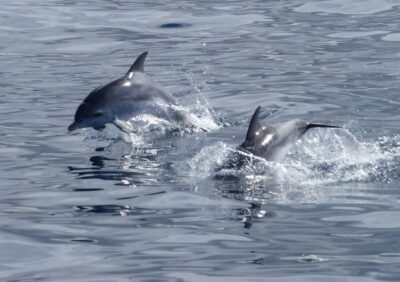
Los Cristianos Respectful No-Chase Whale and Dolphin Safari
Read our review →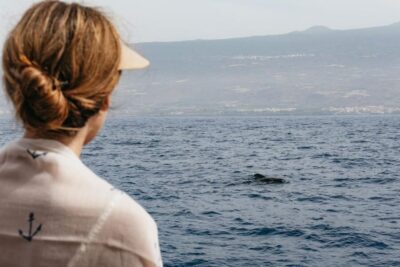
Whale & Dolphin Eco-Cruise with Snacks & Drinks
Read our review →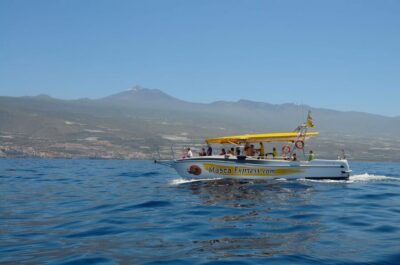
Dolphin & Whale Watching Cruise with Swim Stop
Read our review →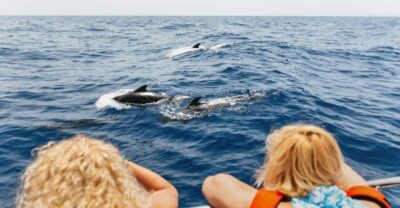
Whale & Dolphin Watching with Drinks and Snacks
Read our review →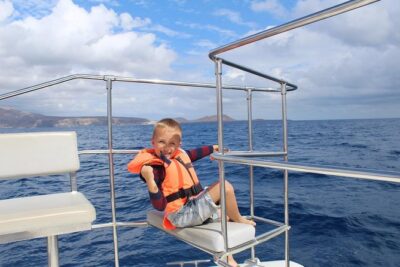
Whale and Dolphin Watching Catamaran with Transfer and Buffet
Read our review →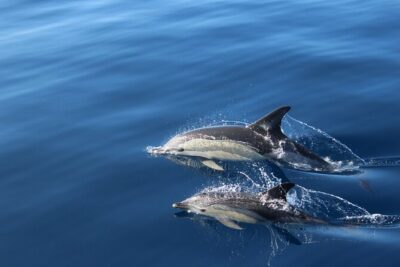
No chase Whale & Dolphin tour putting Marine Life first – we care
Read our review →Browse the lists this tour appears in