
Reviewed · TENERIFE SCUBA DIVING
PADI Open Water Diver Course
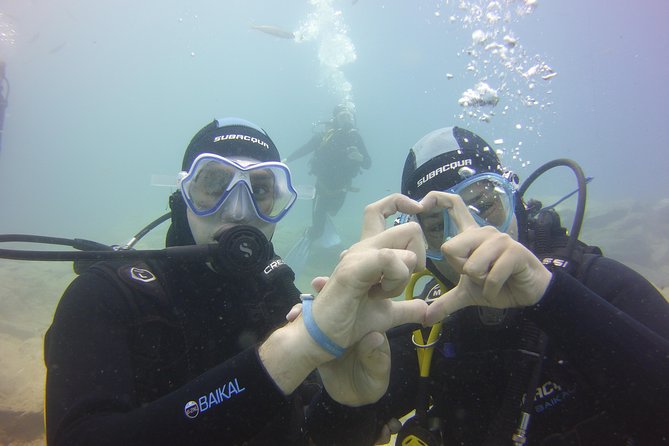
Tenerife’s volcanic coast makes a fine classroom for learning scuba skills. With Ocean Trek, you spend about three days building from theory to practical training, then visiting several underwater sites where octopus, cuttlefish, turtles, rays, barracuda, and moray eels may appear.
I like the small-group instruction, which lets instructors such as Juan, Gerhard, Manuel, Nelly, and Pauli adjust the pace. I also like that the price includes full equipment, course materials, logbook, PADI fees, bottled water, and hotel pickup by request. The main catch is the price, $792.16 per person, plus the fact that lunch is not included and the pickup limit should be confirmed before booking.
Key points about the Tenerife course
- Three days from classroom basics to certification: You learn theory, practice essential skills, and complete four required open-water sessions.
- Small groups keep the training personal: The school commonly works with groups of around four or fewer for underwater instruction.
- Tenerife’s volcanic seabed is part of the lesson: You visit different sites rather than spending every session in the same water.
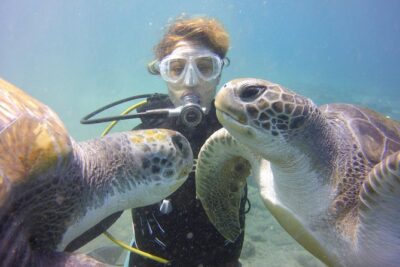
- Marine life can be surprisingly varied: Cuttlefish, octopus, sea turtles, stingrays, barracuda, and moray eels have all been seen on courses.
- The package covers the costly essentials: Equipment, course literature, logbook, PADI fees, and bottled water are included.
- Hotel pickup reduces the hassle: Transport is available in the Costa Adeje area and nearby locations, though the stated distance limits should be checked.
From Costa Adeje theory to open-water skills
You begin at Ocean Trek, on Calle Valencia in Costa Adeje. The course combines theory with practical instruction, so you are not simply handed equipment and sent into the sea.
The academic side covers the basic rules of scuba, equipment use, safety, pressure, and responsible underwater habits. The course materials are included, and the PADI license fees are part of the listed price. If you complete the online theory before arriving, the in-person portion should feel less rushed. One detailed account estimated eight to twelve hours of study for the theory, with about one or two hours a day being manageable.
The PADI process includes an online test followed by additional questions at the center. You need to take the academic work seriously. This is not a quick holiday badge earned by watching a short video. You are learning skills that affect your safety, and the instructors check that you understand the material.
The practical training then moves into the water. Expect instruction in equipment setup, breathing, buoyancy, controlled descents, and basic emergency skills. You will practice removing and replacing equipment, managing problems, and communicating underwater. The exact order depends on your pace and the conditions.
This gradual method is important for beginners. The best instruction follows a simple pattern: explain, demonstrate, imitate, and practice. If a skill takes longer to feel natural, you can work on it again rather than being pushed ahead simply because the schedule says so.
More scuba diving in Tenerife:
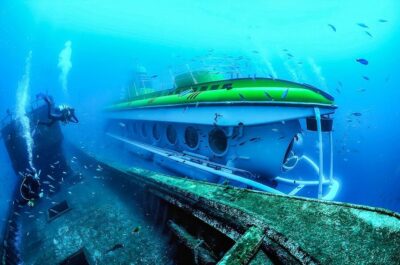
- Southern Tenerife: 50-Minute Submarine Dive
★ 4.8 · 2,216 reviews - Tenerife: Beginners Scuba Dive Experience in Turtle Area
★ 4.6 · 1,347 reviews - Tenerife: Beginner’s Dive at a Spot with Turtle Sightings
★ 4.7 · 627 reviews
Four required sessions across several Tenerife sites
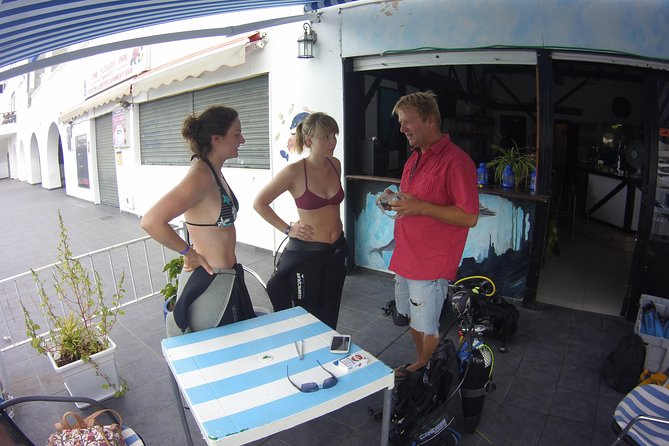
The standard course includes four open-water sessions, usually spread across four half-days. Some participants complete five sessions over three days, depending on the schedule and training needs.
The first session often functions as an introduction to the water and equipment. You get used to breathing through a regulator, moving with fins, and controlling your body underwater. These sensations can feel strange at first. A calm instructor matters here, especially if you have never used scuba equipment.
The second and third sessions are where the core skills receive serious attention. You practice in relatively shallow water, which makes sense for training. You have enough space to work on technique, but you are not dealing with the pressure and complexity of a deep descent.
The final session brings the skills together at an open-water site. This can be the most exciting part, since you are no longer focused only on drills. You begin to look around and notice Tenerife’s volcanic underwater terrain and marine life while still showing that you can manage the equipment safely.
The course is not necessarily a nonstop three-day block in the way a sightseeing tour is. One morning session may keep you out until after 2 p.m. Once changing, equipment handling, transport, briefings, and the water time are counted, the day takes up a good part of your schedule. Leave your afternoons flexible.
You may visit three different sites during the course. That variety gives you a better sense of the coast and keeps the training from feeling repetitive. Conditions and site choice can change, so do not expect a fixed list of locations or a guaranteed animal encounter.
Small groups and named instructors
Ocean Trek’s strongest feature is its personal approach. The course is sold as a private activity for your group, and underwater groups are kept small. One account described groups of no more than four, while another noted that even when more beginners were present, the instructor-to-student ratio in the water remained tight.
That matters more than it might sound. In scuba training, the instructor needs to notice your breathing, body position, hand signals, and comfort level. A large group can turn a skills lesson into a queue. A small group gives you more time to ask questions and repeat a task.
Several instructors receive particularly warm praise. Juan is described as calm with first-time students. Gerhard is associated with careful, unhurried instruction and close attention to buoyancy. Manuel is praised for explaining and demonstrating skills clearly. Nelly and Pauli are also noted for combining a friendly manner with serious supervision.
Staff assignments can change, so do not book expecting one specific instructor unless Ocean Trek confirms it. The useful point is that the school has a record of putting beginners with patient instructors who adjust to individual progress.
The course is conducted in English according to the booking information. Some past instruction was also available in German, but you should confirm the language you need before arrival.
Tenerife’s volcanic seabed and marine life
The underwater setting gives this course more character than pool-only instruction. Tenerife was formed by volcanic activity, and that geology continues below the surface. Rock formations, ledges, and dark volcanic seabed create the background for your training sessions.
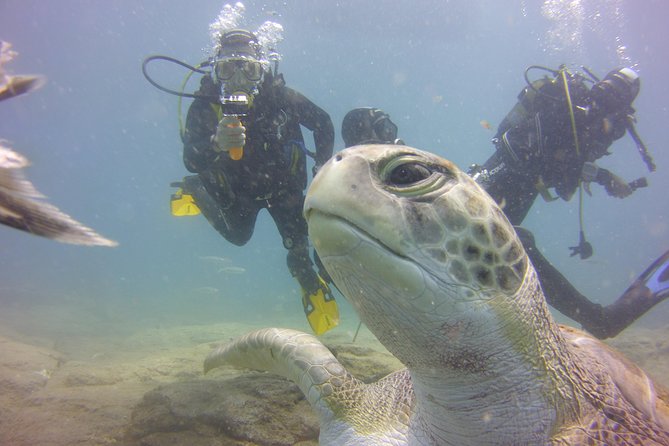
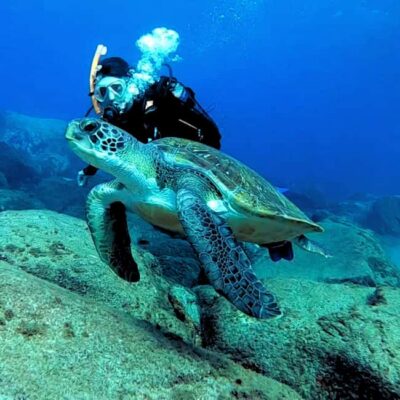
Do not expect a guaranteed wildlife parade. Marine sightings depend on conditions, location, timing, and luck. Still, the species associated with these sessions are appealing: octopus, cuttlefish, sea turtles, stingrays, barracuda, and moray eels. One participant even described a turtle encounter as a personal highlight.
The appeal is not just ticking animals off a list. Learning to control your buoyancy while a cuttlefish changes color nearby is a good reminder of why the technical work matters. Once you stop fighting your equipment, you can pay attention to the small details around you.
Some of the training takes place at depths of roughly 5 to 10 meters. That is suitable for beginner work, but it also means the experience is about learning solid habits rather than reaching dramatic depths. You leave with a foundation for future scuba, not an advanced qualification.
Same island, a completely different kind of day:
- Siam Park Entry Tickets
★ 4.5 · 15,710 reviews - Tenerife: Eco-Yacht Whale and Dolphin Watching and Swimming
★ 4.7 · 15,619 reviews - Los Cristianos Respectful No-Chase Whale and Dolphin Safari
★ 4.6 · 12,782 reviews - Tenerife: Loro Parque Entry Ticket
★ 4.8 · 12,411 reviews
What the $792.16 price really covers
At $792.16 per person, this is a serious expense. The value depends on how much you would otherwise pay separately for instruction, equipment rental, transport, certification, and course materials.
The package includes:
- Pickup and return transport within the stated service area
- Full scuba equipment
- Course literature
- Logbook
- PADI license fees
- Bottled water
That list covers the major required items. You do not need to arrange an equipment rental package on top, and the PADI fees are not added later according to the supplied details.
Lunch is not included. Bring money or food for the day, and expect to manage your own meal around the course schedule. The center provides bottled water, but you should still plan for a long active morning.
The pickup information needs a little care. One description says service is available up to 12 miles, or 20 kilometers, from the center, while the specific pickup details give a maximum distance of 10 kilometers. Ask Ocean Trek to confirm your hotel before paying. If pickup is not available, you will need to reach the Costa Adeje meeting point at Calle Valencia.
Practical preparation for a comfortable course
Bring dry clothes for after each session. A spare towel is useful, especially for your feet, and a changing poncho can make the transition from wet gear much easier. You may change in or near a busy parking area, so privacy and comfort are worth planning for.
Wear or bring something that protects your feet while changing. Ground surfaces can be hot and dirty. These are small details, but they make a difference when you are already tired from a morning in the water.
Take care of your legs. Overworking your calf muscles can lead to cramps, especially when you are still learning how to use fins. Move steadily, avoid frantic kicking, and tell the instructor if something feels wrong.
Equalizing pressure in your ears also deserves attention. Start early and often as you descend, before pressure becomes painful. If you cannot equalize, rise slightly and try again rather than forcing it. Do not treat discomfort as something you simply have to endure.
You should be in a reasonable state of health and have moderate physical fitness. The minimum age is 10. The information does not list specific medical conditions or a doctor’s form, so contact the center directly if you have health concerns before booking.
What certification lets you do afterward
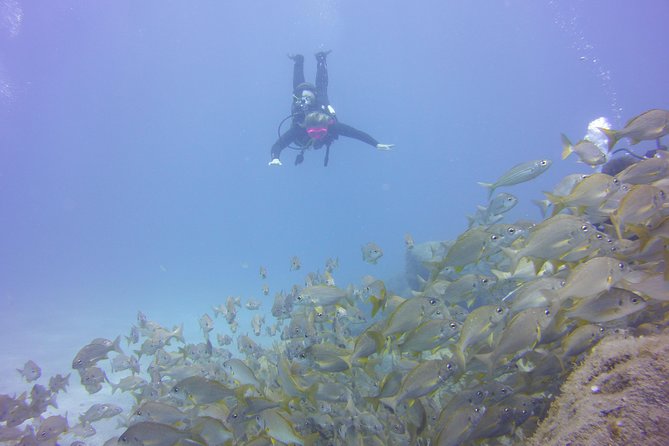
Once you complete the course, you receive a PADI Open Water Diver certification. This permits you to scuba independently within the limits of your training, rent equipment, and have tanks filled around the world.
Independent does not mean careless. You still need to follow local rules, choose conditions suited to your ability, and dive with appropriate companions. The course gives you the foundation, but confidence comes from repeated practice.
This is a good starting point if you expect to continue scuba after Tenerife. Several instructors can also help you think about future training, including advanced courses. If you only want one brief underwater experience during a beach holiday, the full certification course may be more than you need.
That distinction matters. A one-time introductory session is cheaper and shorter, but it does not give you the same freedom afterward. This course asks for three days, study time, and active participation. In return, it gives you a recognized qualification.
Who should book this Ocean Trek course?
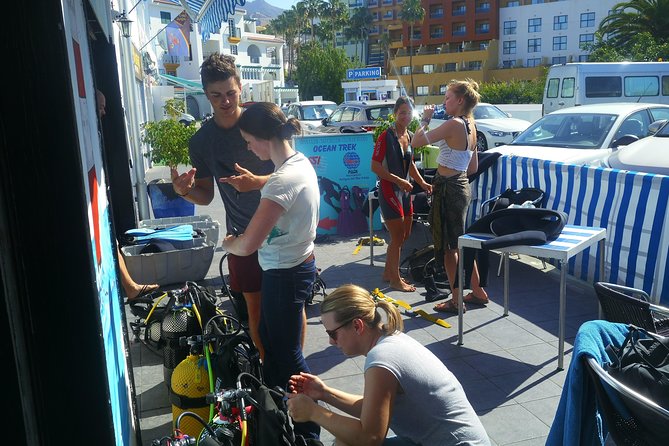
I would choose this course if you want a proper qualification and prefer close instruction over a large class. It suits first-time scuba students who are willing to study, practice patiently, and keep a substantial part of three days free.
It is especially appealing for couples or small groups who want to learn together. The private booking format means your group participates alone, although the exact number of people in the water can vary by session and course arrangements.
It may not suit you if you want a relaxed half-day outing with no homework. It also may not suit you if you dislike changing outdoors, need a guaranteed hotel pickup beyond the service area, or have limited flexibility for four half-day water sessions.
The near-perfect 4.9 rating from 20 published ratings and the 100 percent recommendation figure support the school’s reputation, but the most useful evidence is practical: students repeatedly praise calm instructors, working equipment, small groups, and careful skills training. Those are exactly the traits I would want in a beginner scuba course.
Should you book it?
Book Ocean Trek if your goal is a real PADI qualification, not just a quick look below the surface. The included equipment and certification fees help justify the $792.16 cost, while the small groups and multiple instructors make the training feel personal.
Before booking, confirm three things: the pickup distance for your hotel, the language of instruction, and the precise schedule of the four sessions. Then set aside money for lunch, pack dry clothing and extra towels, and give yourself time to study.
If you want a solid start in scuba with Tenerife’s volcanic coast as your classroom, this course is a sensible choice. If you want a shorter holiday activity, choose a beginner session instead.
FAQ
Where does the PADI Open Water Diver course meet?
The course starts and ends at Ocean Trek, C. Valencia, 38660 Costa Adeje, Santa Cruz de Tenerife, Spain.
How long does the course take?
The course lasts approximately three days. The practical portion includes four open-water sessions, generally arranged across four half-days.
What is included in the price?
The price includes pickup and return transport within the service area, full scuba equipment, course literature, a logbook, PADI license fees, and bottled water.
Is lunch included?
No. Lunch is not included, so you should make your own arrangements for food during the course days.
Is hotel pickup available?
Yes. Pickup is available by request in the stated service area. The information gives both a 20-kilometer limit and a 10-kilometer limit, so confirm the exact distance for your hotel with Ocean Trek.
What is the minimum age?
The minimum age is 10 years.
Do I need to be physically fit?
You should be in a reasonable state of health and have a moderate level of physical fitness for scuba training.
Will I receive a recognized certification?
Yes. After completing the course, you are entitled to the PADI Open Water Diver certification, which allows you to dive independently within your training limits, rent equipment, and have tanks filled.
Can I cancel for a full refund?
You can cancel at least 24 hours before the experience begins for a full refund. Cancellations or changes made less than 24 hours before the start time are not refunded, and poor weather may lead to a different date or a full refund.
Just added around Tenerife
- 3h Whale Watching Private tour Beneteau Oceanis 440★ 5.0 · 3 reviews
- Tenerife: Photography Sessions – Families, Couples, Friends★ 5.0 · 26 reviews
- Quad tour (option : Teide morning or Sunset tour)★ 4.5 · 26 reviews
- Beginner Scuba Dive with Scubapoint Tenerife in Turtle Area★ 4.7 · 8 reviews
- Tenerife: 2 Diving Sessions for Certified Divers★ 4.2 · 7 reviews
- small group surf lesson in Playa de las Américas,Tenerife★ 5.0 · 31 reviews
- sunset stand up paddle★ 5.0 · 29 reviews
- Yoga at the beach in Tenerife★ 5.0 · 21 reviews
Tenerife Scuba Diving, compared.
Beginners Scuba Dive Experience in Turtle Area
Read our review →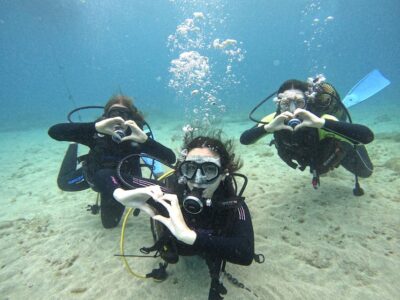
Beginner’s Dive at a Spot with Turtle Sightings
Read our review →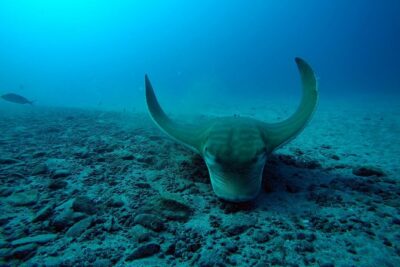
Tenerife First Time Scuba Dive – Turtle Habitat, Small Groups
Read our review →
Try Dive – PADI Discover Scuba Diving in Tenerife
Read our review →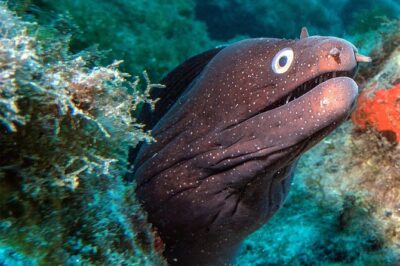
RECREATIONAL DIVE (certified divers only) : Explore Canarian Sealife
Read our review →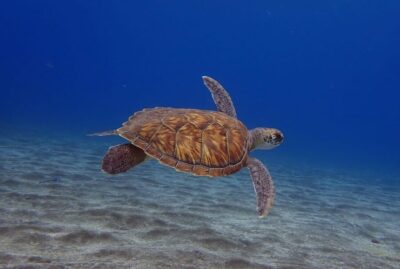
Scuba Diving Beginner’s Session in Costa Adeje
Read our review →Browse the lists this tour appears in