
Reviewed · TENERIFE SCUBA DIVING
PADI Advanced Open Water Diver Course (AOWD) – 2 days
The most useful part of this two-day course is its practical format. You do not need years of experience or an advanced qualification to join. A current PADI Open Water certification is enough, and the course lets you test several specialties while building confidence under an instructor’s care. Five Adventure Dives may include navigation, buoyancy work, deeper water, a wreck, and a night session.
I like the small maximum group of eight, which gives an instructor a better chance to spot poor trim, nervous habits, or navigation mistakes. I also like that gear, learning materials, PADI fees, and local taxes are included, so the $539.48 price is easier to understand from the start. The main consideration is that scuba fitness matters: you need to be physically fit enough for the activity, and you cannot scuba within 12 hours of a flight.
Key points at a glance
- Five practical training sessions: Build skills through Adventure Dives rather than sitting through a long classroom-only course.
- Radazul base: Start and finish at Scubanana Dive Center in Puerto Deportivo, with easy access to the water and nearby public transport.
- Small groups: The course accepts no more than eight people, allowing closer supervision.
- Equipment included: You do not need to arrange a separate rental package.
- Strong instructor team: Pauline, Izaac, Denis, Fran, and Denis have each helped students with buoyancy, navigation, deep-water work, wreck exploration, and night sessions.
- Useful specialty credit: An Adventure Dive may count toward the first dive of the matching PADI Specialty Course.
What the two-day course is really for
PADI Advanced Open Water is a slightly misleading name. You do not need to be an expert. The course is designed to help a certified Open Water Diver move beyond basic training and get more comfortable in varied conditions.
You will work with an instructor on different Adventure Dives. Each one introduces a new skill or type of underwater activity. The goal is not to turn you into a technical scuba specialist in two days. It is to give you more control, better judgment, and a clearer sense of what kind of scuba you want to pursue next.
For many people, this is the point where scuba begins to feel less like a checklist and more like a real activity. You already know the basic equipment and safety routines. Now you can concentrate on staying balanced, finding your way, managing depth, and observing your surroundings without rushing.
You must already hold a PADI Open Water Diver or PADI Junior Open Water Diver certification. The minimum age given for the advanced course is 12. This is not a beginner introduction, and Scubanana will expect you to be medically and physically ready for scuba.
More scuba diving in Tenerife:
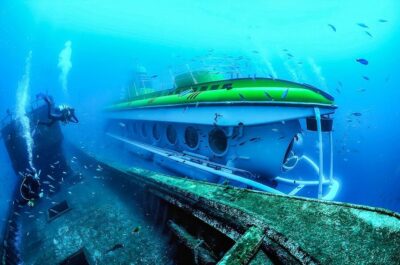
- Southern Tenerife: 50-Minute Submarine Dive
★ 4.8 · 2,216 reviews - Tenerife: Beginners Scuba Dive Experience in Turtle Area
★ 4.6 · 1,347 reviews - Tenerife: Beginner’s Dive at a Spot with Turtle Sightings
★ 4.7 · 627 reviews
Starting at Scubanana in Radazul
Your meeting point is Scubanana Dive Center at Puerto Deportivo, Avenida Colón, number 1, in Radazul, Santa Cruz de Tenerife. The scheduled start is 9:00 am, and the activity returns to this same meeting point.
Radazul is useful as a base because you can begin at the center and access local underwater sites without organizing your own boat or transport. The center is also near public transportation, which helps if you are staying in the area and do not have a rental car.
The setup is practical rather than theatrical. You arrive, meet the instructor, sort out equipment, and go through the plan for the day. The exact order of Adventure Dives can vary, so you should expect the instructors to choose the sequence according to conditions, training needs, and the group.
That flexibility is a good thing in scuba. A course that forces every group into the same order can make a session harder than it needs to be. At Scubanana, the instruction team includes Pauline, Izaac, Denis, Fran, and others. Different instructors have different teaching styles, but the strongest pattern is close attention, clear safety guidance, and a relaxed manner.
Five Adventure Dives with a clear purpose
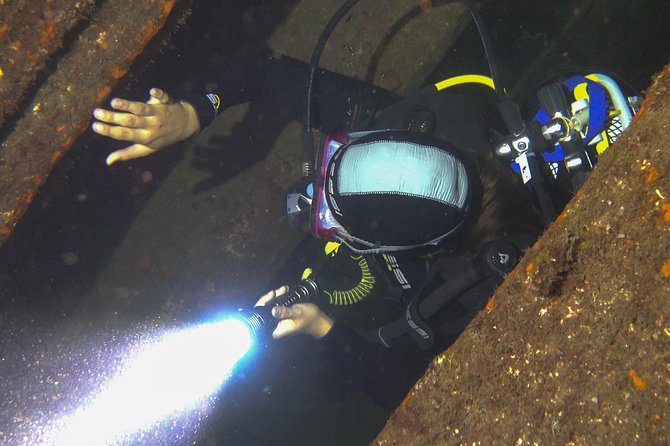
The course is built around different underwater sessions. The exact selection should be confirmed with the center before booking, but the course information and student experiences point to buoyancy, navigation, deep water, wreck exploration, and night scuba as important parts of the program.
Buoyancy and body control
Buoyancy work is one of the most valuable parts of advanced training. If you are constantly kicking, rising, sinking, or touching the bottom, you use more air and enjoy less of the underwater world.
An instructor may help you adjust your breathing, body position, and use of your equipment. The aim is not simply to hover for a moment. It is to move with less effort and more control.
This session can feel more difficult than expected. Basic certification teaches you how to stay safe, but advanced training asks you to notice small errors and correct them. That is exactly why a small group matters. Pauline and Giulia have helped students work on buoyancy and navigation, while Denis has also been praised for patient, focused instruction.
More two-day trips in Tenerife:
- 1/2 day guided roadbike tour
★ 5.0 · 23 reviews - Teide 1/2 Day
★ 3.5 · 12 reviews
Underwater navigation
Navigation is another skill that looks easy until you are below the surface. Visibility, current, depth, and the need to monitor your air supply all affect your sense of direction.
You will practice using a compass and natural references under supervision. The useful lesson is not memorizing a single route. It is learning how to plan, check your position, and avoid drifting into uncertainty.
This is the kind of training that can make later independent scuba much less stressful. If you tend to rely on a guide to show you where to go, pay close attention here. Navigation gives you more freedom, but it also requires you to take responsibility for your route and return point.
Deeper water
The deeper session lets you experience depths beyond your basic Open Water training limits, within the limits of the course and your instructor’s plan. You will see how depth affects your air use, buoyancy, equalization, and general awareness.
This is not a contest to see how far down you can go. The value is learning how deeper water changes the way you plan a session. Your instructor will supervise the work and help you stay within a sensible depth and comfort level.
If you are newly certified, this may be the session that makes the course feel most advanced. If you are already comfortable in the water, it can still expose small habits that are easy to ignore at shallower depths.
Wreck exploration
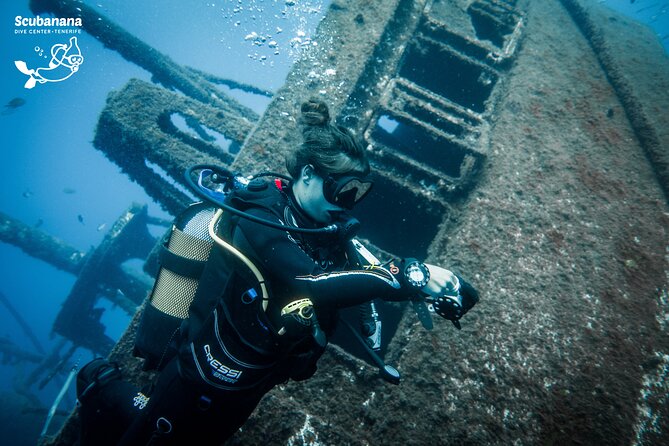
A wreck session adds a strong sense of purpose and history to the course, though you should not assume it means entering the wreck. The supplied course details identify wreck scuba as one of the included or available Adventure Dive themes, and students have described it as a highlight.
The session is a good introduction to the planning and awareness required around a wreck. You learn to observe the site, manage your position, and respect the limits of your training. It is a different experience from swimming over open seabed because the structure creates more points of interest and more things to monitor.
Ask Scubanana which wreck site is planned for your dates. The available location can depend on local conditions and the instructor’s judgment.
Night scuba
Night scuba is often the most memorable session in an advanced course. Familiar surroundings look different after dark, and your attention narrows to the beam of your light and the signals shared by your group.
The course information and student experiences describe a night session as part of the five-dive format. Fran has led night training, and the instructors place safety at the center of the experience. You should expect a careful briefing before entering the water and close attention to communication.
This session is not for someone who wants to rush through the course. It rewards calm behavior and careful listening. If you are nervous about darkness, tell the instructor early. The course is intended to build confidence, not force you into an uncomfortable situation without support.
Why the small group matters
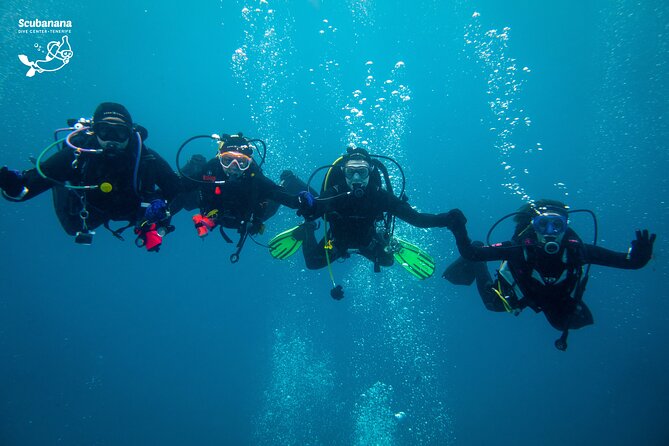
The limit of eight participants sounds modest, but it has a real effect underwater. An instructor can watch how you descend, trim yourself, use your compass, and respond to instructions. That is harder in a large class where the instructor must spend most of the session managing the group.
Scubanana’s team has instructors with different styles, including Pauline, Izaac, Denis, Fran, Isaac, Benny, Kathi, Henning, and others. The names and assignments may change, but the center can match instruction to different experience levels and interests.
The training also seems suitable for a mixed family trip. One student completed an advanced course while a son completed Open Water training at the same time, with separate instructors. That arrangement can be useful if your party includes people at different certification stages.
Still, small group does not mean private instruction. You may share the water with other course participants, and each session will follow a group plan. If you want one-to-one coaching, ask whether a private instructor is available and at what additional cost.
Equipment, facilities, and what to bring
The price includes diving gear, learning materials, instructor services, PADI fees, and local taxes. That is a strong practical benefit. You do not have to spend the first morning finding tanks, regulators, a buoyancy device, or other standard equipment.
The center has been described as clean and well organized, with equipment in excellent condition. That matters more than glossy decoration. Good organization reduces delays, makes checks easier, and gives you more confidence before entering the water.
One useful personal tip is to consider bringing or buying your own mask. A mask that does not fit well can distract you throughout a session. It is one of the most personal pieces of scuba equipment, and comfort matters. Also bring your logbook if you keep one. You will be recording training dives and may need the details later when continuing your certification.
Photos are not included. If you want underwater images, ask the center what is available before the course begins. Do not assume a photographer or photo package forms part of the $539.48 cost.
Diving insurance is also not included. You should check your own policy before booking and make sure it covers scuba activity in Tenerife. This is an important cost and safety question, not a minor add-on.
Is $539.48 a fair price?
At $539.48 per person, this is not a cheap casual activity. It is a professional two-day certification course, and the price includes several costs that are often added separately: equipment, instruction, course materials, PADI fees, and local taxes.
That bundled price makes it easier to compare with other advanced courses. A lower headline price may not include gear rental or certification charges. Before choosing another provider, compare the full amount rather than the advertised starting figure.
The price makes the most sense if you plan to continue scuba after Tenerife. Each Adventure Dive may count toward the first dive of the corresponding PADI Specialty Course. Ask Scubanana about the credit you might receive, especially if you already hold a specialty certification or plan to take one next.
If you only want one guided underwater outing, this course is more training than you need. You are paying for instruction, assessment, logging, and new skills, not just a short swim with equipment.
Timing, fitness, and flight planning
The course lasts approximately two days and begins at 9:00 am. You should keep both days reasonably open. The supplied schedule does not promise exact session times or a fixed order, so avoid arranging tight connections around the course.
You need a moderate level of physical fitness and must be in suitable condition for scuba. If you have a medical concern, check before booking rather than arriving at the center unsure.
Plan your flight carefully. The guidance says you should not scuba within 12 hours before a flight. That means a morning flight after a late session is a poor plan. Give yourself a proper buffer and ask the center if your itinerary is close to the limit.
Free cancellation is available if you cancel at least 24 hours before the local start time. Changes or cancellations inside that window are not accepted for a refund.
Who should book this course?
I would choose this course if you have recently completed Open Water training and want structured practice before booking more independent scuba. It also suits certified people who want to improve buoyancy and navigation rather than simply collect another certification.
It is particularly useful for you if:
- You want wreck or night experience under supervision.
- You prefer a small group rather than a large training class.
- You need equipment included.
- You plan to continue into PADI specialties.
- You value an organized center with instructors who can adapt to different skill levels.
I would hesitate if you are not already certified, are uncomfortable with moderate physical exertion, or want a relaxed one-off activity with no classroom or skill work. I would also check insurance and flight timing before paying.
Should you book Scubanana’s AOWD course?
Yes, if you want a real step forward in scuba rather than a simple sightseeing session. The combination of small groups, included gear, local Radazul access, and practical training gives the course solid value. The strongest reasons to book are the attention to buoyancy and navigation, the chance to try night and wreck sessions, and the professional approach associated with instructors such as Pauline, Izaac, Denis, and Fran.
Before confirming, ask which five Adventure Dives are planned for your dates, whether the night and wreck sessions are included in your specific schedule, and what insurance you need. Bring a well-fitting mask if possible, carry your logbook, and protect your post-course flight window. If those details suit your plans, this is a sensible way to build confidence and make your next underwater trip more rewarding.
FAQ
Where does the PADI Advanced Open Water course start?
It starts at Scubanana Dive Center, Puerto Deportivo, Avenida Colón, number 1, 38109 Radazul, Santa Cruz de Tenerife, Spain.
What time does the course begin?
The scheduled start time is 9:00 am.
How long does the course last?
The course lasts approximately two days.
Do I need an Open Water certification?
Yes. You must already be a certified Open Water Diver to participate. PADI Junior Open Water Divers who are at least 12 years old can enroll.
Is scuba equipment included?
Yes. Diving gear is included, along with learning materials, PADI fees, local taxes, and an instructor.
Are diving insurance and photos included?
No. Diving insurance and photos are not included in the price.
How many people can join?
The activity has a maximum of eight participants.
Can I fly soon after the course?
You should not scuba within 12 hours before a flight. Plan your return flight with that restriction in mind.
Just added around Tenerife
- 3h Whale Watching Private tour Beneteau Oceanis 440★ 5.0 · 3 reviews
- Tenerife: Photography Sessions – Families, Couples, Friends★ 5.0 · 26 reviews
- Tenerife: 2 Diving Sessions for Certified Divers★ 4.2 · 7 reviews
- Quad tour (option : Teide morning or Sunset tour)★ 4.5 · 26 reviews
- Beginner Scuba Dive with Scubapoint Tenerife in Turtle Area★ 4.7 · 8 reviews
- small group surf lesson in Playa de las Américas,Tenerife★ 5.0 · 31 reviews
- sunset stand up paddle★ 5.0 · 29 reviews
- Yoga at the beach in Tenerife★ 5.0 · 21 reviews
Tenerife Scuba Diving, compared.
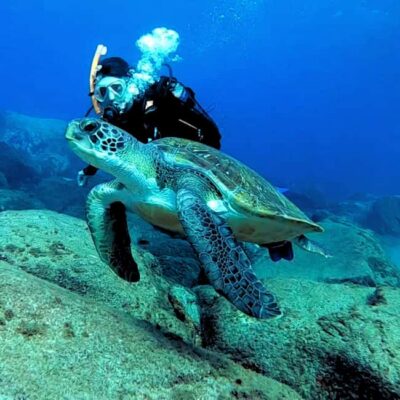
Beginners Scuba Dive Experience in Turtle Area
Read our review →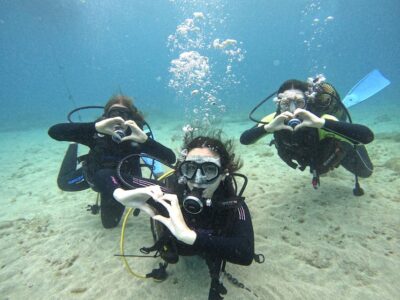
Beginner’s Dive at a Spot with Turtle Sightings
Read our review →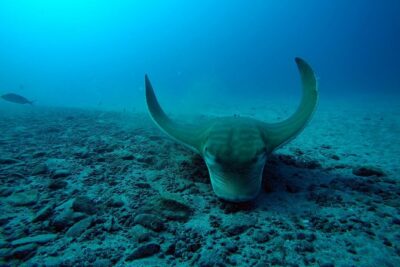
Tenerife First Time Scuba Dive – Turtle Habitat, Small Groups
Read our review →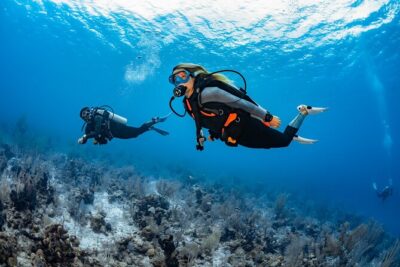
Try Dive – PADI Discover Scuba Diving in Tenerife
Read our review →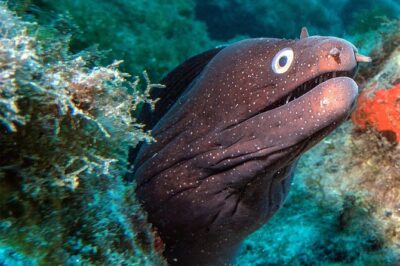
RECREATIONAL DIVE (certified divers only) : Explore Canarian Sealife
Read our review →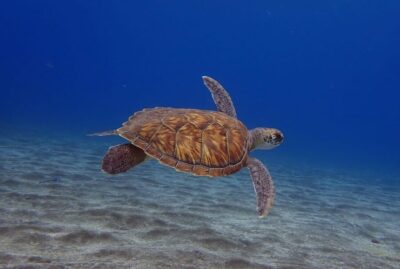
Scuba Diving Beginner’s Session in Costa Adeje
Read our review →Browse the lists this tour appears in