
Reviewed · TEIDE NATIONAL PARK TOURS
Teide National Park: Stargazing Experience
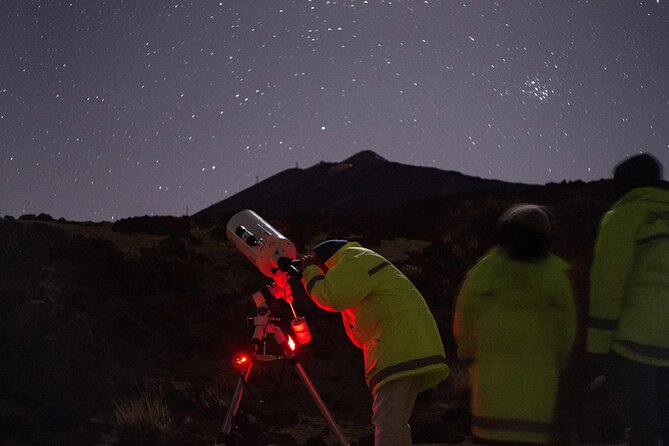
Teide’s high, dark skies turn a simple night outside into a lesson in how to read the universe. You begin with the naked eye, learning Polaris, the celestial north pole, zodiac lines, and the stories behind the constellations, then move to high-grade telescopes for planets and deep-sky objects. I like the clear mix of science and mythology, and I like that an astrophoto telescope may provide images to keep. The main drawback is the cold: even warm-season nights can feel bitter at altitude.
The $41 price is fair for an 80-minute guided session, especially if you want help making sense of the sky rather than simply standing under it. Just remember that hotel transport and dinner are not included, and the meeting point is in the park, so you need to arrange your own way there.
Key points to know before booking
- The tour begins with the naked eye: Learn the main stars, constellations, Polaris, the celestial north pole, and the ecliptic before using a telescope.
- Telescope viewing changes with the season: Past sessions have included Jupiter, Saturn and its moons, Mars, Orion’s Nebula, Andromeda, star clusters, and the Milky Way.
- The altitude means serious cold: Bring warm clothes and warm shoes in every season, especially in autumn and winter.
- Guides make the difference: Miguel, Manuel, Luke, and other astronomy guides are praised for clear explanations and lively storytelling.
- The meeting point is Minas de San José: From the south, use the second car park on the right. From the north, use the first car park on the left.
- Moon phase matters: A bright moon can change how many faint stars and galaxies you see, so check the lunar cycle before choosing a date.
Why Teide is such a good place for stargazing
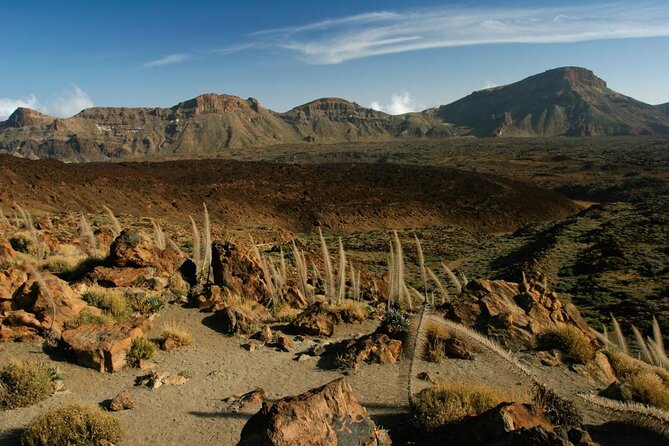
Teide National Park gives this activity its real reason for being. The park is away from town lights, so the sky is much darker than it is along Tenerife’s built-up coast. That matters most when you look beyond the brightest planets. Faint clusters, the Milky Way, and distant galaxies become easier to pick out when stray light is not washing across the sky.
You do not need a strong astronomy background. The guide starts at a basic level, pointing out important stars and showing you how the sky is arranged. That makes the experience useful for a first-time observer, while the telescope work gives people with more interest something substantial to enjoy.
The setting also puts the temperature in perspective. Tenerife may be warm at sea level, but Teide sits high above the coast, and the night air can be cold with wind. Several past visitors found the cold memorable for all the wrong reasons. Pack as if you will spend a long time outdoors, not as if you are heading out for a mild evening by the beach.
More stargazing nights in Tenerife:
- Tenerife: Sunset and Stargazing at Teide National Park
★ 4.7 · 2,826 reviews - Teide National Park Sunset & Stargazing with Dinner (Star Safari)
★ 5.0 · 2,601 reviews - Teide by Night: Sunset & Stargazing with Telescopes Experience
★ 4.5 · 1,492 reviews
Meeting at Minas de San José after sunset
The meeting point is the parking area directly in front of the natural environment of Minas de San José. The directions are simple but worth reading carefully. If you approach from the south, it is the second car park on the right. From the north, it is the first car park on the left.
There is no hotel pickup or drop-off. You need to reach the park on your own, and your booking confirmation should be kept handy in case the provider sends updated timing details. If you book far ahead, the start time may change. The provider contacts you by WhatsApp or email after booking to confirm the schedule, so check both before the day of the activity.
The tour begins after sunset. That gives the guide a proper dark sky for the main observation, but it also means you should arrive ready for the temperature to drop. Wear comfortable shoes with good footing and warm shoes or boots. A coat, extra layers, and something for your head and hands are sensible choices.
First lesson: finding your way across the sky
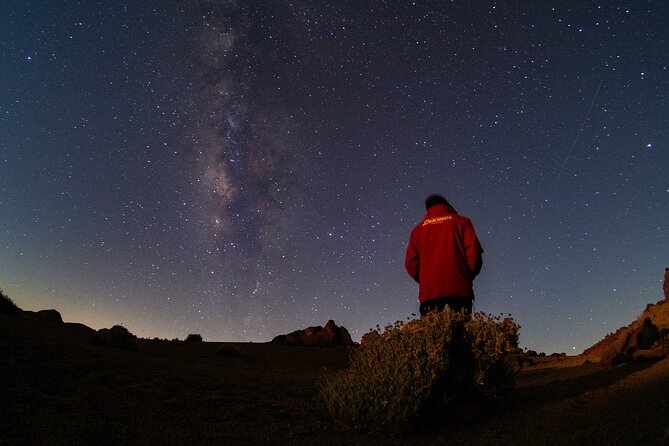
The opening section uses no telescope. That is one of the best choices in the program because it helps you understand what you are seeing before you look through an eyepiece.
The guide introduces the major visible stars and constellations, then explains how to recognize them. You learn where Polaris is and how it marks the celestial north pole. This is more useful than simply memorizing a few star names. It gives you a basic way to orient yourself in the night sky.
The guide also points out the ecliptic, the apparent path followed by the Sun across the sky, along with the zodiac line. This helps explain why many familiar zodiac constellations appear in a particular band rather than being scattered at random.
Greek mythology adds an entertaining layer. Constellations are not just patterns of stars. They are shapes people have connected with old stories for centuries. The guide uses those stories to help you remember positions and forms. It is a good fit for families and casual sightseers because the information is easier to follow than a long technical lecture.
The quality of the explanation matters here. Guides including Miguel have been praised for speaking clearly, keeping the tone light, and making astronomy understandable. Manuel was also noted for explaining the Moon, constellations, and mythology in a funny, engaging way. You are not left to guess where to look.
Telescopes reveal planets and distant objects
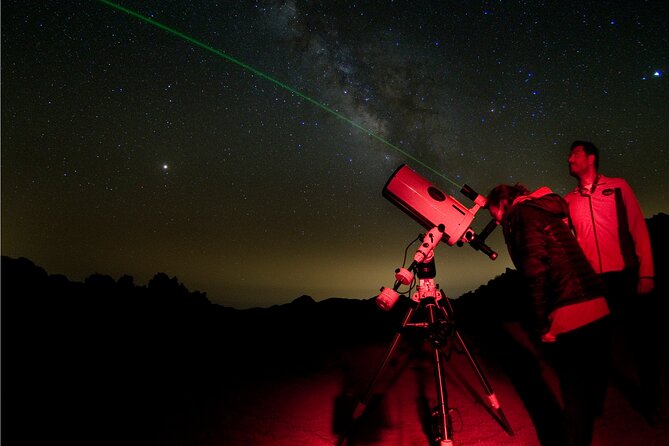
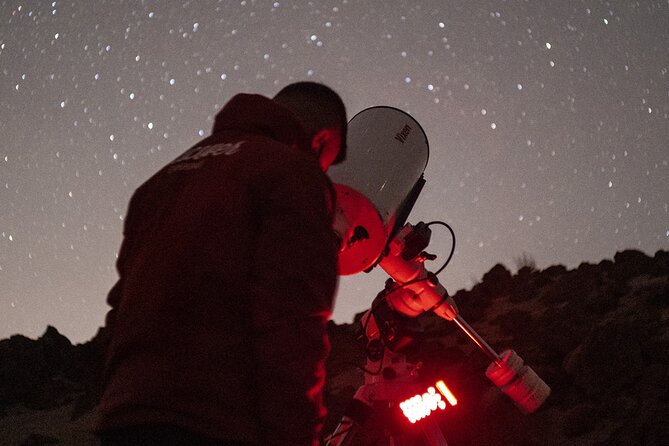
Once you have your bearings, the group moves to telescope observation. This is where the activity shifts from learning the map of the sky to seeing objects that are difficult or impossible to make out with the naked eye.
The exact targets depend on the date, visibility, and moon phase. Past viewing has included Jupiter with its moons, Saturn, Mars, the Orion Nebula, the Andromeda Galaxy, star clusters, the Milky Way, and the Moon. These are very different kinds of objects, which keeps the session varied.
Planets are often the crowd-pleasers. Seeing Jupiter and its moons as separate points through a telescope gives you a stronger sense that you are looking at another planetary system, not just a bright dot. Saturn is especially rewarding when available, though no target can be guaranteed on every night.
The Orion Nebula and Andromeda Galaxy offer a different experience. They are not bright planets with crisp surfaces. Instead, they show you how large and distant the universe is. Under a dark sky, a star cluster can appear as a concentrated group of lights, while a galaxy may look more subtle. The guide’s explanation helps you appreciate what the telescope is showing rather than expecting every object to look like a colorful space photograph.
A special astrophoto telescope may also be used to turn what you observe into images. Images of a star cluster and a galaxy have been sent to participants after past sessions. That is a useful extra because the human eye has limits, especially when viewing faint objects. A saved image also gives you something concrete to remember after the cold has faded from your fingers.
More days in Teide National Park:
- Tenerife: Mount Teide Tour with Cable Car Ticket & Transfer
★ 4.3 · 5,094 reviews - Sunset & Stargazing Experience From Teide
★ 4.5 · 1,129 reviews - Mt. Teide and Masca Valley Tour in Tenerife
★ 4.5 · 965 reviews - Tenerife: Mount Teide Summit Hiking Adventure with Cable Car
★ 4.3 · 688 reviews
The guide is the heart of the evening
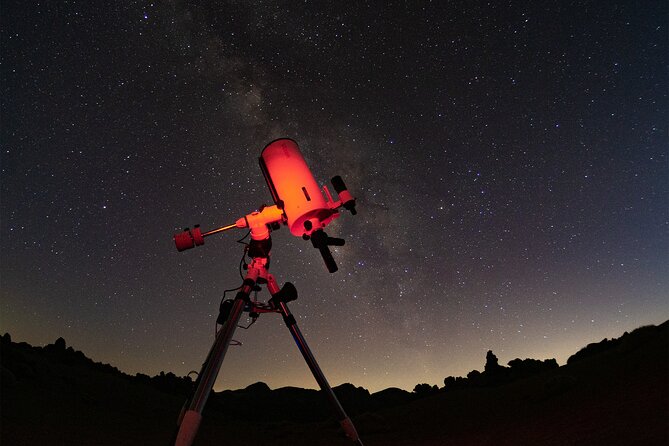
Astronomy equipment alone does not make a good night tour. A telescope can show you Saturn, but it cannot explain why the object matters or help you find your way around the sky.
That is why the guide’s style is important. Miguel has led English-language sessions with a mix of science, humor, and clear instructions. Luke has also been praised for making the Moon, planets, and constellations approachable. The available languages are English and Spanish.
The best part of the format is the balance. You get practical sky navigation, basic astronomy, some mythology, and telescope viewing without needing to sign up for a specialist course. One session included explanations of constellation positions, planetary viewing, and the Milky Way. That range makes the activity work for couples, families with older children, and adults who have always wanted to learn more but never found a starting point.
Do not expect a private lesson unless that is specifically confirmed when booking. The price and format point to a shared guided experience, and the information provided does not specify a group size. If you prefer quiet, unhurried observation, it is sensible to ask the provider about the group before paying.
Moon phase, season, and visibility all matter
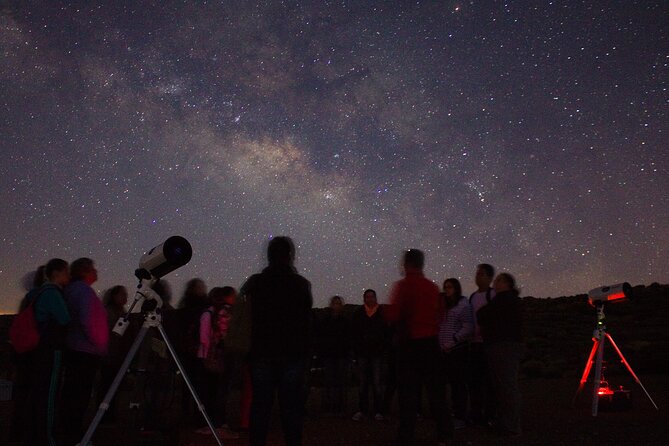
The Moon is not just another object to view. Its brightness affects the rest of the sky. A full or nearly full moon can make faint stars, galaxies, and parts of the Milky Way harder to see. A darker moon phase may offer better conditions for deep-sky viewing, though the Moon itself can be a striking target when visible.
Check the lunar cycle before booking if your main goal is to see faint objects. If you mainly want planets, the Moon, and an introduction to constellations, the exact phase may matter less.
The season also changes what you can see. Past sessions in January included Orion’s Nebula, Andromeda, Mars, and Jupiter. Other dates brought Saturn, Jupiter, and its moons. The guide will work with what is visible on the night you attend, but no astronomy tour can promise a fixed menu of objects.
Clouds and poor conditions can also affect viewing. The supplied information does not give a weather policy or a guaranteed backup arrangement, so you should check the provider’s messages before setting out. The WhatsApp and email updates are useful for schedule confirmation and reminders.
The cold is the main practical challenge
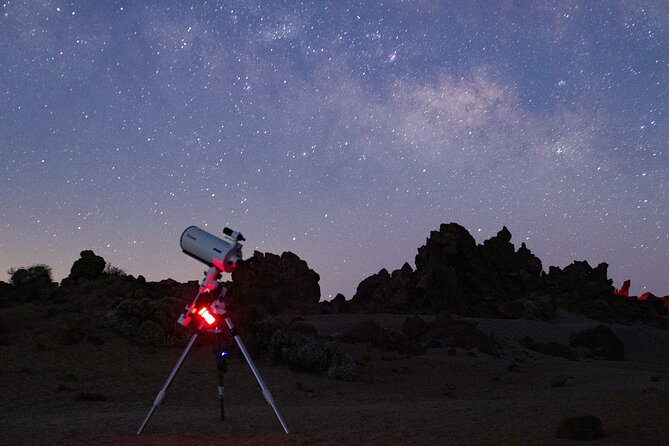
The most consistent warning is simple: dress warmly. People have described freezing after about two hours outside at altitude, even though the official activity duration is 80 minutes. The exact time outdoors may feel longer when you include gathering, explanations, telescope turns, and waiting between observations.
Autumn and winter demand serious layers. Summer does not mean you can rely on beach clothing. One past August session was reported at about 14 degrees with strong wind while the coast was much warmer. That difference can catch you off guard.
Bring:
- A warm coat and several layers
- Warm shoes with comfortable soles
- Long trousers
- A hat and gloves if you feel the cold easily
- A scarf or neck covering
Do not bring pets. Unaccompanied minors are not permitted. The activity is also not suitable for people with heart problems, respiratory issues, or people who have been scuba diving within the previous 24 hours.
Is $41 good value for 80 minutes?
At $41 per person, the experience sits in a reasonable range for a guided astronomy activity using advanced telescopes. You are paying for more than access to a dark place. The fee includes the naked-eye explanation, telescope observation, a professional astronomical guide, and insurance during the tour.
The value is strongest if you would otherwise look at the sky without knowing what you are seeing. A dark park is impressive, but a guide helps you identify stars, understand the zodiac line, follow the constellations, and make sense of telescope targets.
The value is less clear if you already own a telescope or have strong astronomy skills. The session is designed for a broad audience, so experts may find the introductory section too basic. One past participant felt the price was acceptable but slightly high for the amount of time. That is a fair point, particularly if the night is very cold or visibility limits the number of objects.
The option to reserve now and pay later also helps if your Tenerife plans are still moving around. You can cancel up to 24 hours ahead for a full refund, according to the booking terms.
Who will enjoy this most?
I would recommend this to anyone who wants a guided first look at the night sky, especially if you are staying in Tenerife and can reach Teide National Park without hotel transport.
It suits:
- Couples seeking a quiet evening activity
- Families with children who can follow an outdoor explanation
- First-time astronomy enthusiasts
- Visitors interested in Greek mythology as well as science
- Anyone hoping to see planets through a proper telescope
- People who want a short, focused activity rather than a full-night astronomy course
It may not suit you if you dislike cold, need guaranteed access to a specific object, or want a private guide. It is also a poor choice if you expect a warm indoor setting, dinner, or transport from your accommodation.
Should you book the Teide stargazing experience?
Yes, if you want help turning a dark sky into something understandable. The strongest features are the clear introduction to Polaris and the constellations, the mix of astronomy and mythology, and the chance to see planets, clusters, galaxies, and nebulae through high-grade equipment.
Book with realistic expectations. The tour lasts 80 minutes, not an all-night observatory session. The moon, season, weather, and visibility shape what you see. Bring far warmer clothing than you think you need, check the confirmed start time, and study the route to Minas de San José before leaving.
For $41, this is a sensible choice for a memorable night in Teide National Park, provided you value expert guidance and arrive prepared for the cold.
FAQ
Where does the stargazing tour meet?
Meet in the parking area directly in front of the natural environment of Minas de San José. From the south, it is the second car park on the right. From the north, it is the first car park on the left.
How long does the activity last?
The stated duration is 80 minutes, and the tour begins after sunset.
What languages are available?
The tour is offered in English and Spanish with a live guide.
Are hotel pickup and dinner included?
No. Hotel pickup, hotel drop-off, and dinner are not included.
What should I wear?
Wear comfortable shoes, warm clothing, and warm shoes. Temperatures can be low at Teide, especially in autumn and winter, and wind can make the night feel colder.
Can I cancel the booking?
You can cancel up to 24 hours in advance for a full refund.
Can children attend?
Unaccompanied minors are not permitted. The supplied information does not state a minimum age for children accompanied by an adult, so check with the provider before booking for a child.
Just added around Tenerife
- 3h Whale Watching Private tour Beneteau Oceanis 440★ 5.0 · 3 reviews
- Tenerife: Photography Sessions – Families, Couples, Friends★ 5.0 · 26 reviews
- Quad tour (option : Teide morning or Sunset tour)★ 4.5 · 26 reviews
- Beginner Scuba Dive with Scubapoint Tenerife in Turtle Area★ 4.7 · 8 reviews
- Tenerife: 2 Diving Sessions for Certified Divers★ 4.2 · 7 reviews
- small group surf lesson in Playa de las Américas,Tenerife★ 5.0 · 31 reviews
- sunset stand up paddle★ 5.0 · 29 reviews
- Yoga at the beach in Tenerife★ 5.0 · 21 reviews
Teide National Park Tours, compared.
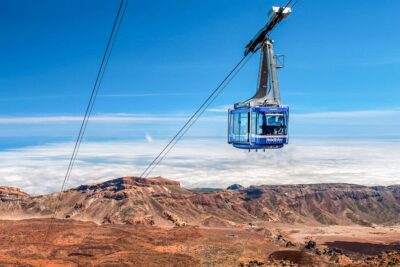
Mount Teide Tour with Cable Car Ticket & Transfer
Read our review →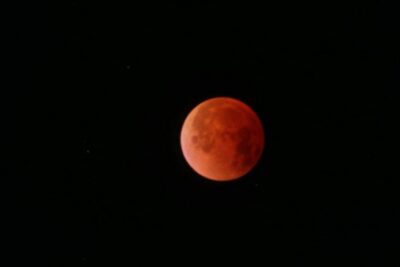
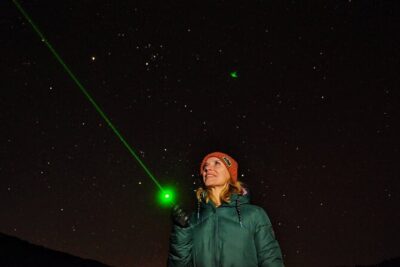
Teide National Park Sunset & Stargazing with Dinner (Star Safari)
Read our review →
Mount Teide Summit Hiking Adventure with Cable Car
Read our review →
Teide, Icod de los Vinos & Garachico Full Day Tour
Read our review →
Small Group Teide National Park Volcanic and Forest Wonders
Read our review →Browse the lists this tour appears in